
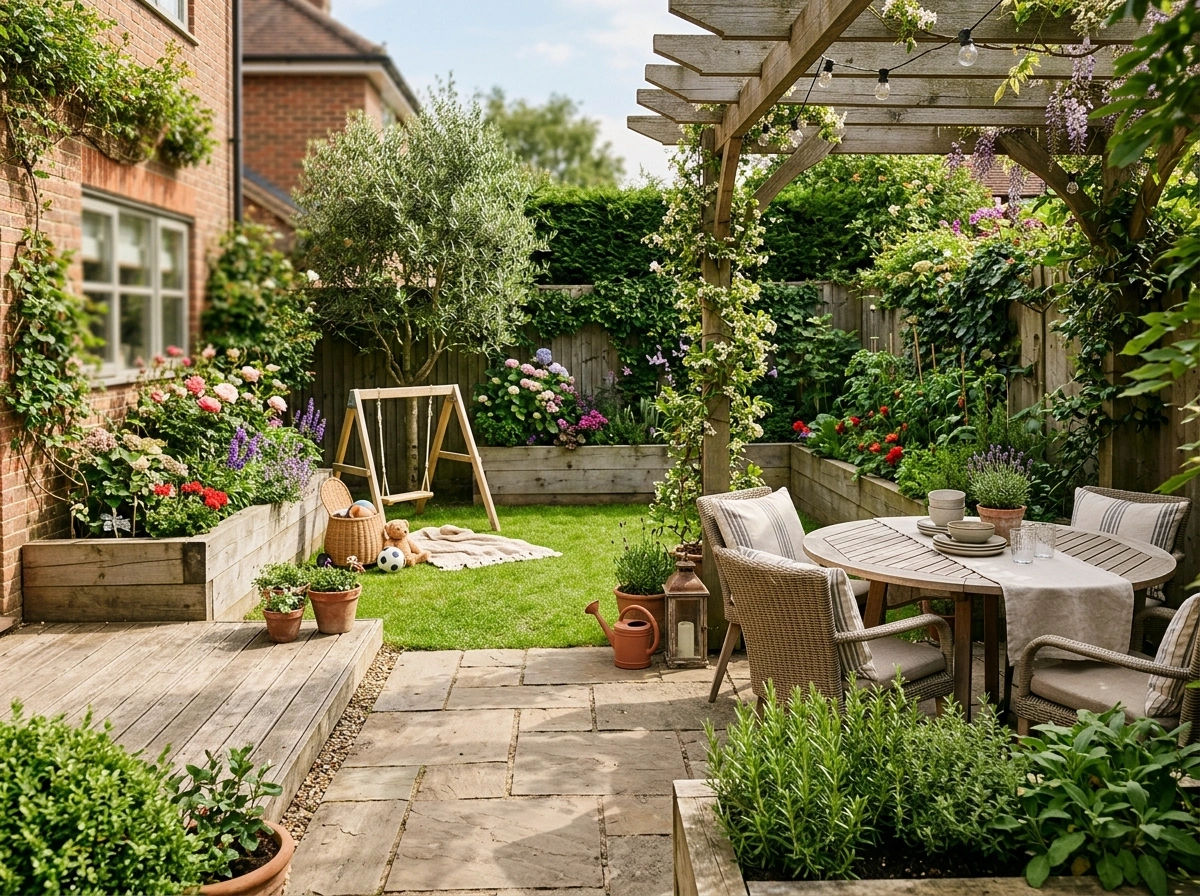
You don’t need acres to create something beautiful. Smart layout beats square footage every time. The right paths, plant placement, and seating zones can make even a compact yard feel intentional, airy, and surprisingly spacious.
These 20 Small Garden Plans & Layout Ideas for Any Yard focus on flow, sunlight, lifestyle, and real-life use. Whether you have a narrow side strip, a tiny square lawn, or a shaded courtyard, there’s a way to make it work better — and look stunning doing it.
Let’s design smarter.
1. The Narrow Side-Yard Flow Plan
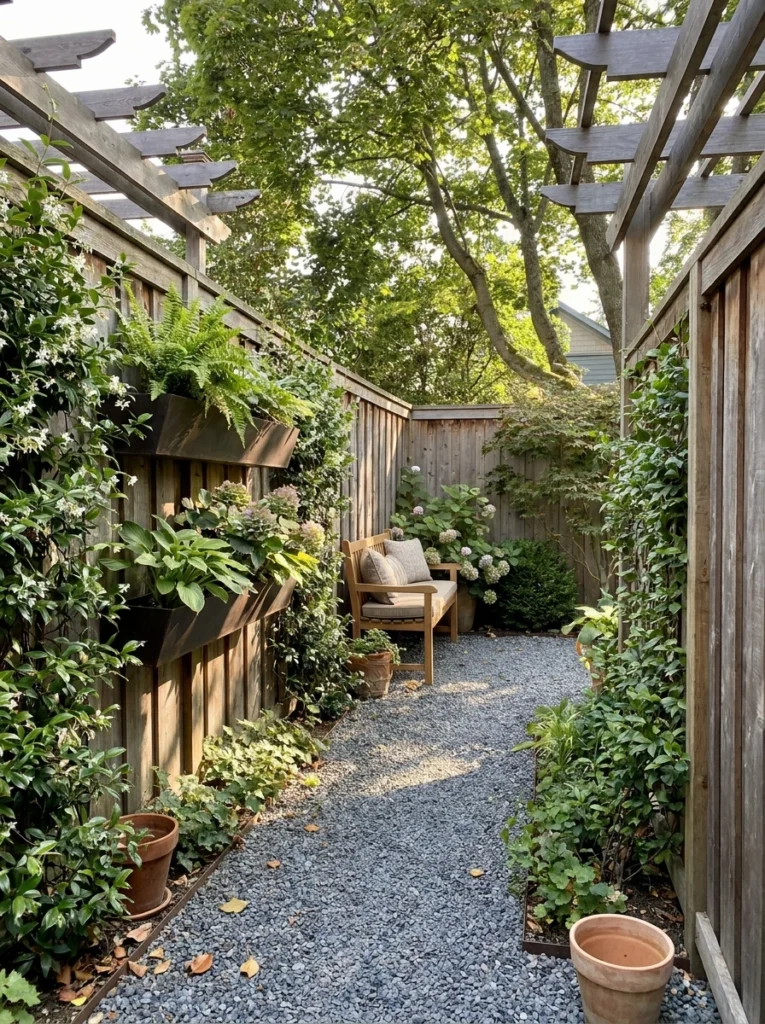
Turn that overlooked strip into a purposeful garden corridor.
Why it works:
A straight stepping-stone or gravel path draws the eye forward, making the yard appear longer. Vertical planting along fences saves floor space.
Best for: Long, skinny side yards.
Styling tips:
- Use wall-mounted planters
- Add slim benches
- Install upward lighting for depth
Avoid: Blocking the path or planting bulky shrubs that choke the walkway.
Space-saving advantage: Maximizes vertical surfaces.
2. Square Backyard Grid Layout
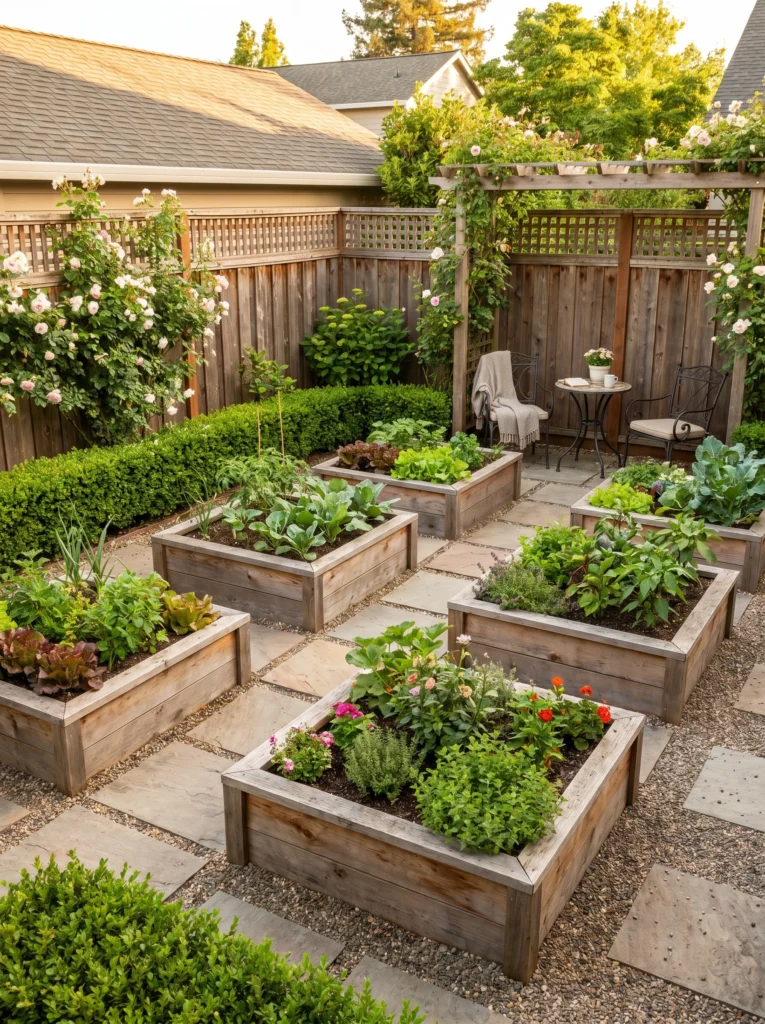
Divide a small square yard into equal planting blocks.
Why it works:
Grids create order. Order makes small spaces feel intentional instead of cramped.
Best for: Small suburban backyards.
Styling tips:
- Use raised beds with clean edges
- Repeat plant varieties for cohesion
Avoid: Mixing too many paving materials.
Space-saving advantage: Clear zones for planting and seating.
3. Diagonal Depth Design
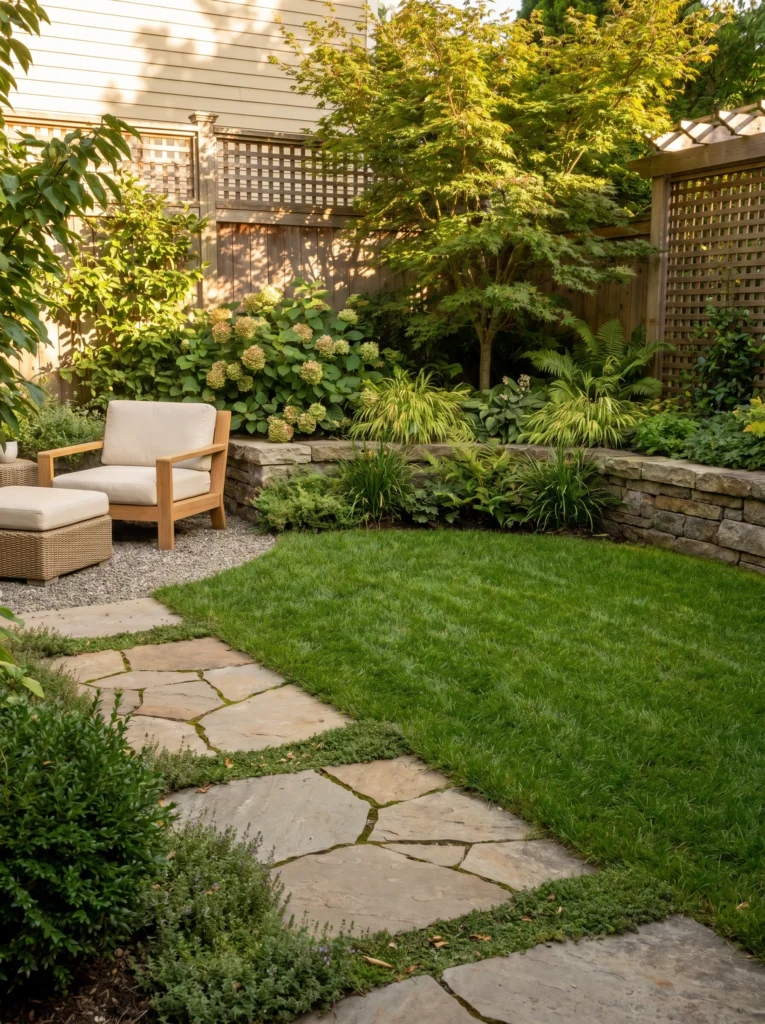
Lay pathways diagonally instead of straight.
Why it works:
Diagonal lines trick the eye, adding visual length and movement.
Best for: Short rectangular yards.
Styling tips:
- Add corner focal points
- Use low edging plants
Avoid: Straight fencing lines with no softening plants.
Space-saving advantage: Makes tight yards appear larger.
4. L-Shaped Garden Zoning
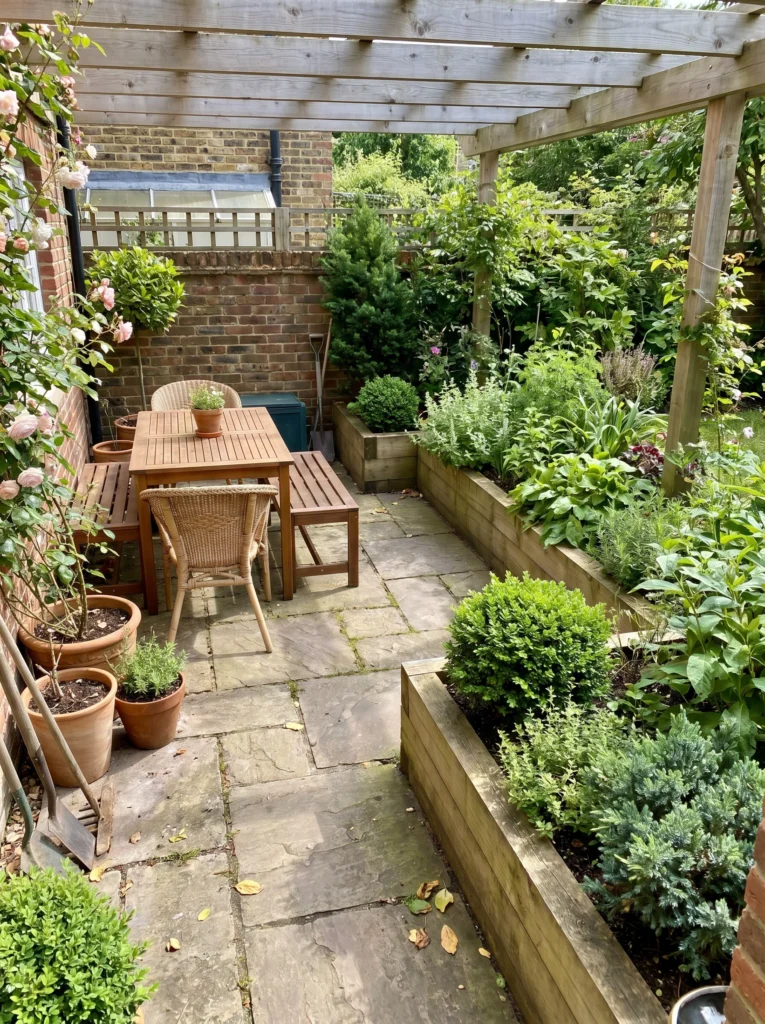
Break the yard into two functional arms.
Why it works:
Separates dining from planting zones naturally.
Best for: Awkward L-shaped yards.
Styling tips:
- Place seating in the shorter arm
- Use shrubs to soften the corner
Avoid: Leaving the corner empty — make it a feature.
Space-saving advantage: Maximizes otherwise wasted angles.
5. Central Path Garden Plan
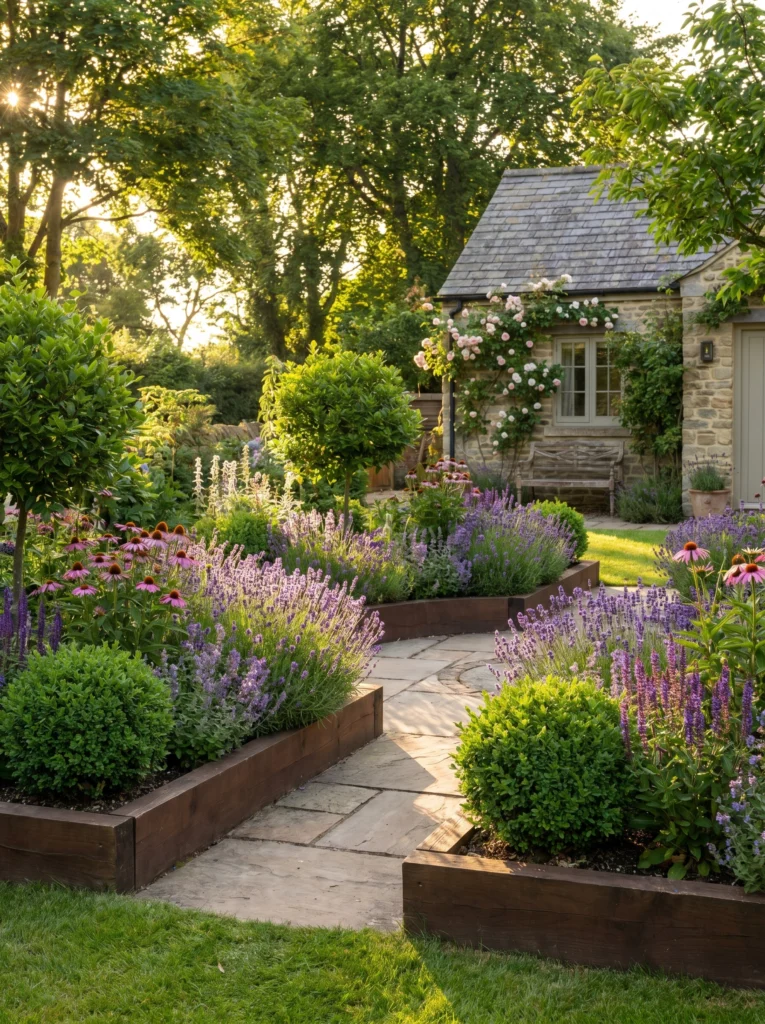
A single bold walkway becomes the anchor.
Why it works:
Creates symmetry and clean movement.
Best for: Long compact backyards.
Styling tips:
- Flank with raised beds
- Add repeating pollinator flowers
Avoid: Narrow paths that feel cramped.
Space-saving advantage: Organizes planting efficiently.
6. Courtyard Oasis Layout
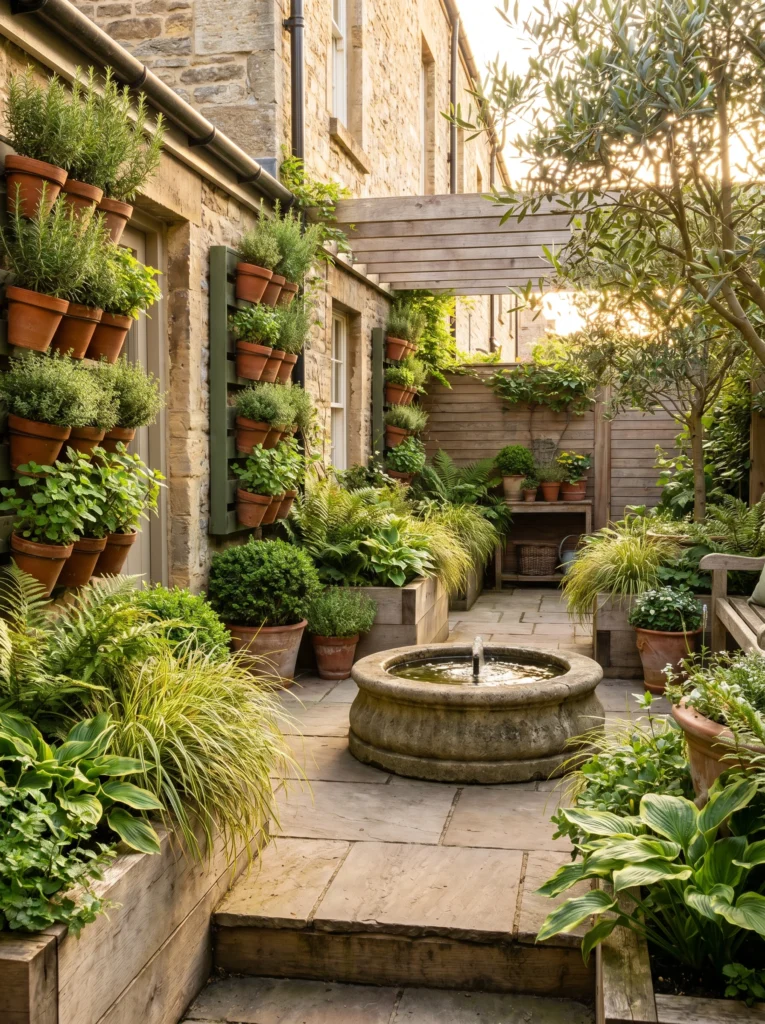
Use walls as assets.
Why it works:
Enclosed spaces feel intentional and cozy.
Best for: Urban garden planning.
Styling tips:
- Install vertical herb gardens
- Add a small water feature
Avoid: Ignoring drainage.
Space-saving advantage: Full use of vertical walls.
7. Balcony Mini-Zone Plan
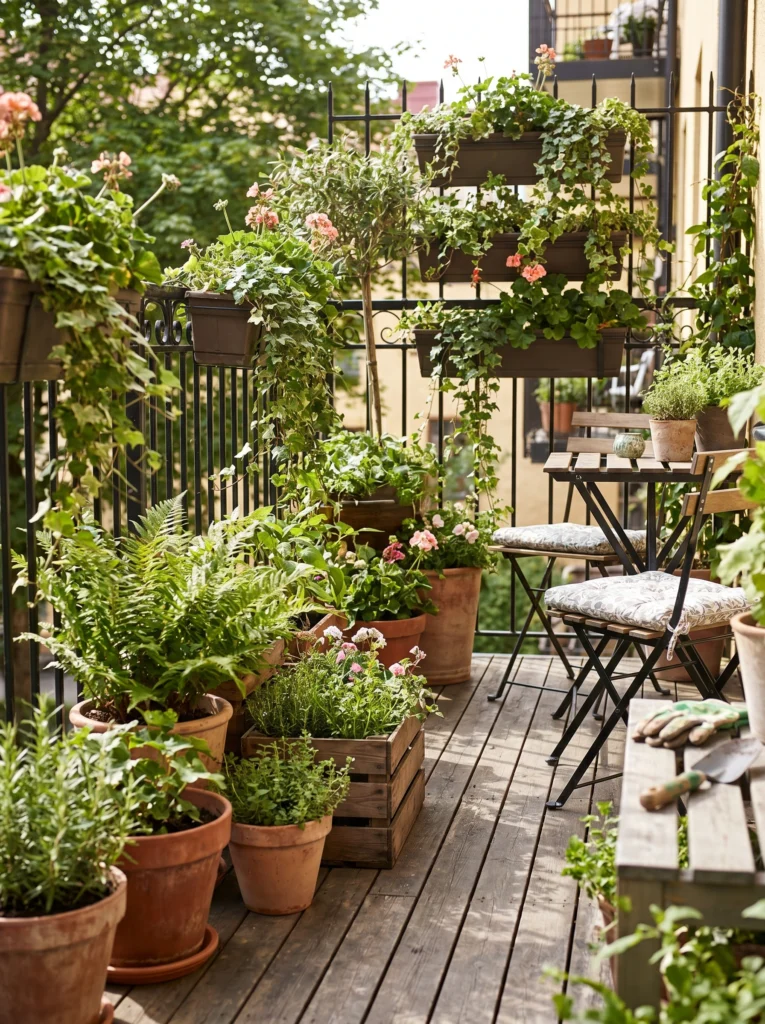
Divide into micro zones: relax, grow, decorate.
Why it works:
Even balconies benefit from defined areas.
Best for: Apartment living.
Styling tips:
- Rail planters
- Folding furniture
Avoid: Oversized seating.
Space-saving advantage: Maximum function in minimal footprint.
8. Raised Bed Perimeter Plan
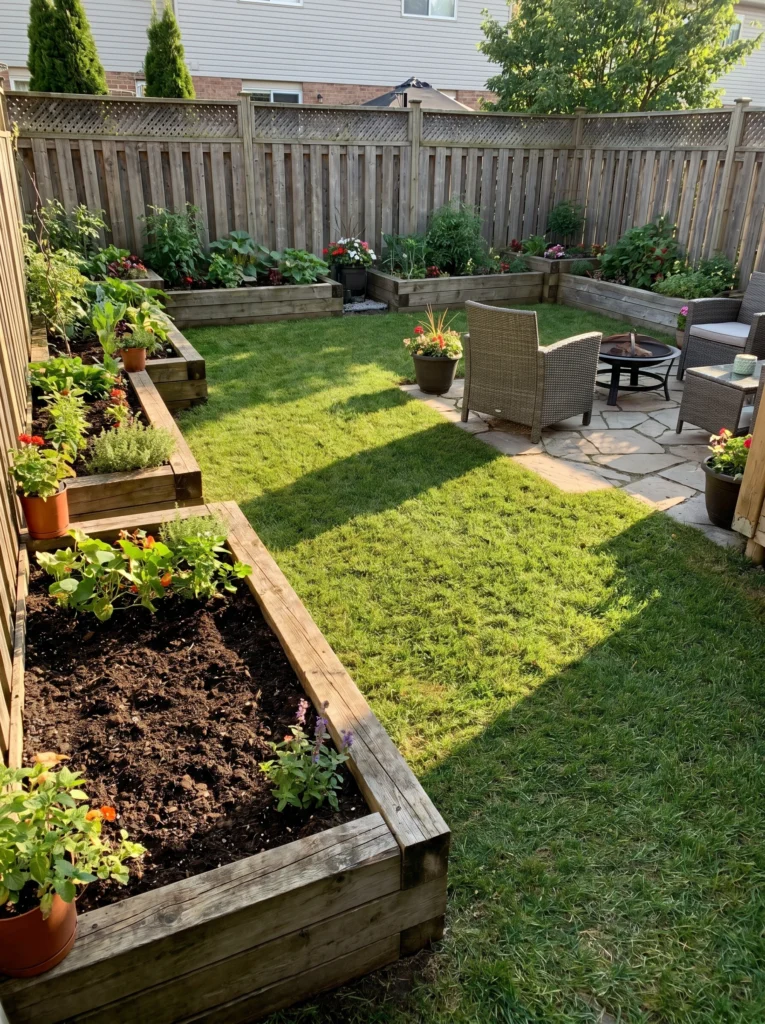
Line the edges, leave the center open.
Why it works:
Keeps the yard feeling airy.
Best for: Small square lawns.
Styling tips:
- Use cohesive bed materials
- Mix edibles and ornamentals
Avoid: Overcrowding the center.
Space-saving advantage: Clear circulation zone.
9. Compact Fire Pit Nook
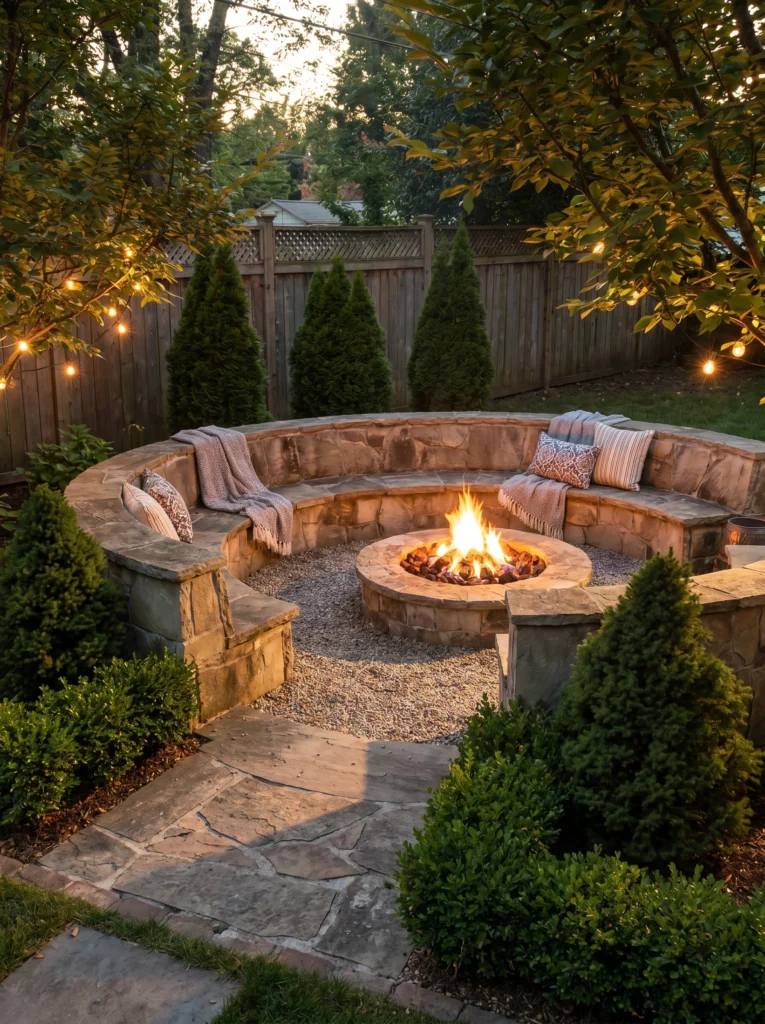
Create a circular focal point.
Why it works:
Circles soften hard edges in small yards.
Best for: Tiny yard ideas.
Styling tips:
- Built-in curved seating
- Low evergreen borders
Avoid: Large bulky chairs.
Space-saving advantage: Multi-use social zone.
10. Hidden Storage Corner Garden
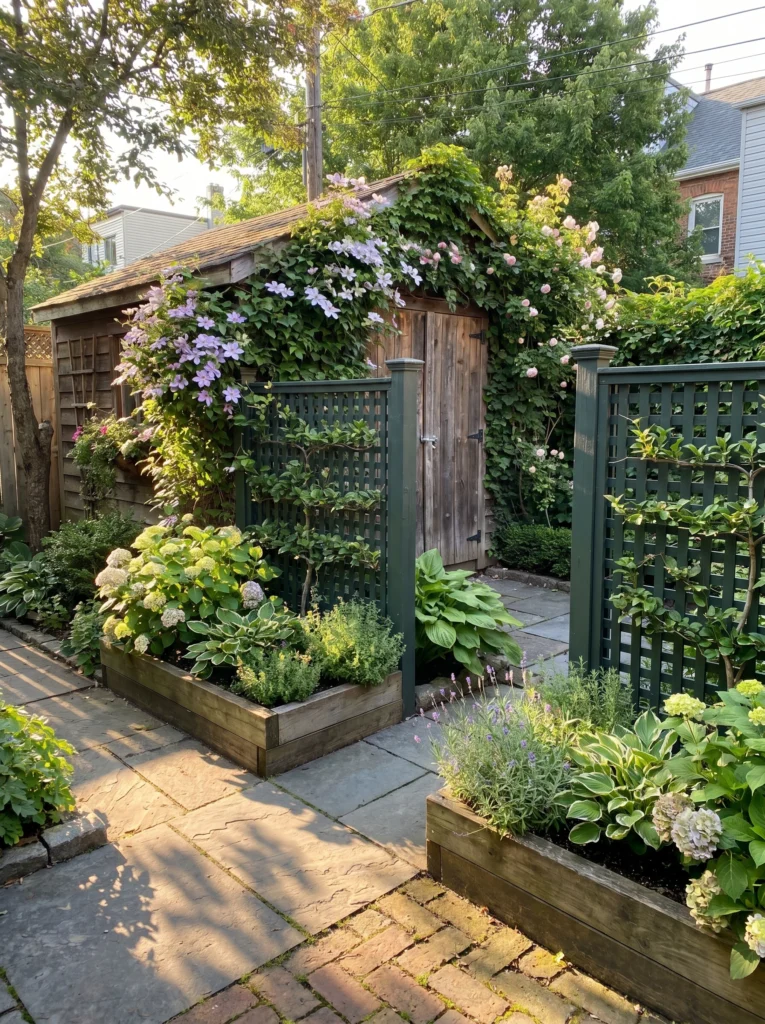
Blend storage into planting.
Why it works:
Reduces visual clutter.
Best for: Family gardens.
Styling tips:
- Disguise sheds with climbing vines
- Add lattice screens
Avoid: Plain plastic storage boxes.
Space-saving advantage: Combines function + beauty.
11. Multi-Zone Family Yard
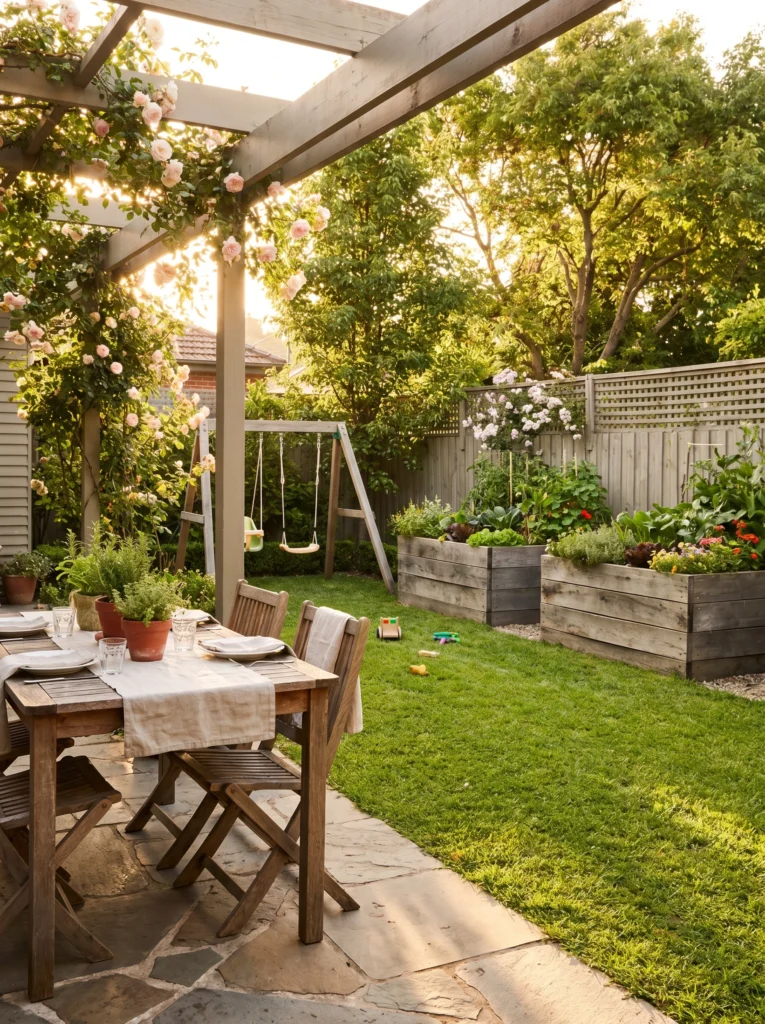
Dining + kids + plants.
Why it works:
Defined zones prevent chaos.
Best for: Families.
Styling tips:
- Soft lawn patch
- Raised beds for durability
Avoid: Mixing too many surfaces.
Space-saving advantage: Organized movement flow.
12. Espalier Wall Garden
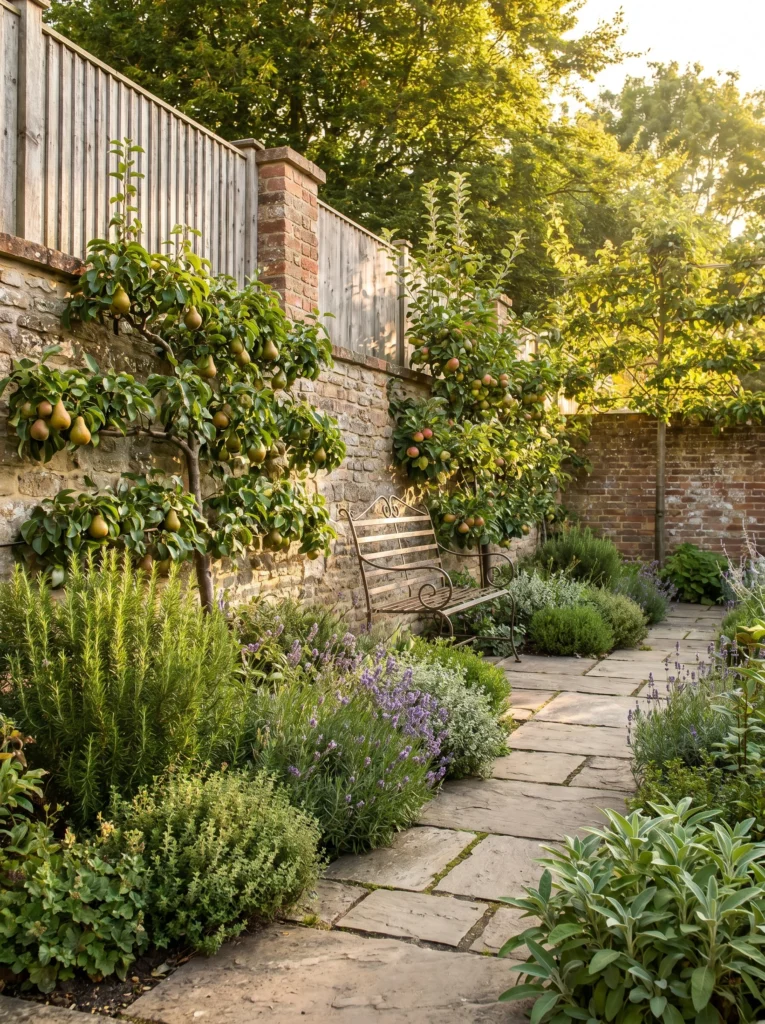
Grow fruit flat against walls.
Why it works:
Uses vertical space smartly.
Best for: Sunny fence lines.
Styling tips:
- Apple or pear espalier
- Underplant with herbs
Avoid: Ignoring pruning maintenance.
Space-saving advantage: Food production without footprint loss.
13. Patio + Garden Blend
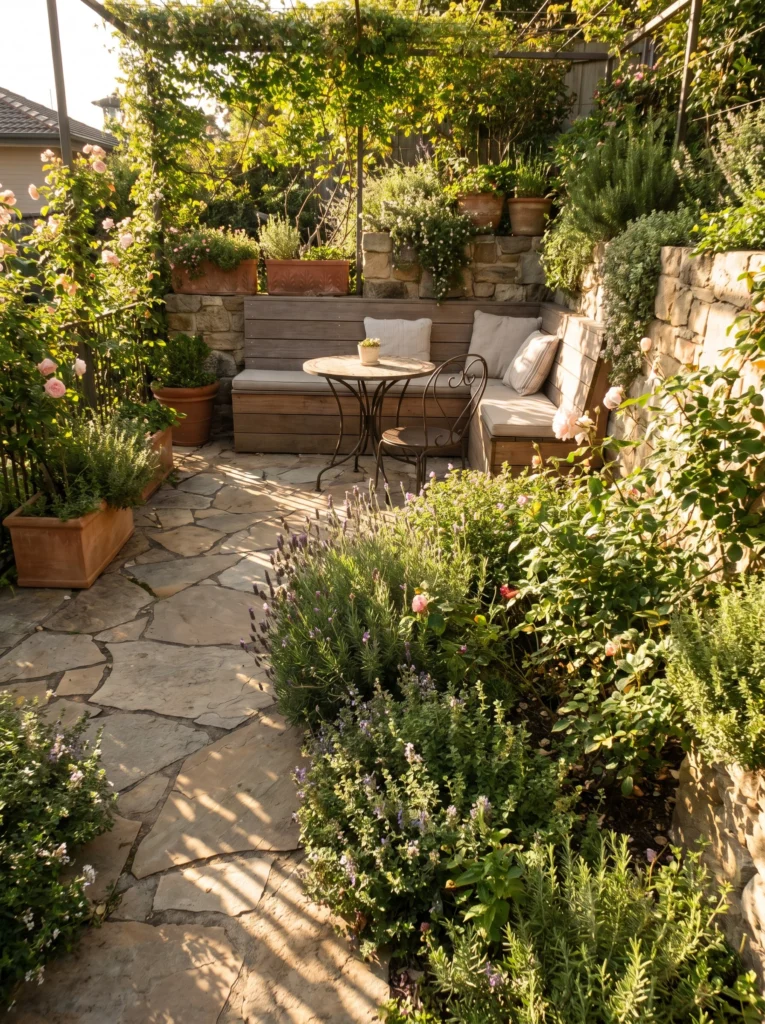
Merge paving and planting seamlessly.
Why it works:
Blurs boundaries, making space feel bigger.
Best for: Compact backyard design.
Styling tips:
- Built-in planters
- Matching stone tones
Avoid: Sharp separation lines.
Space-saving advantage: Dual-function surface.
14. Wraparound Border Garden
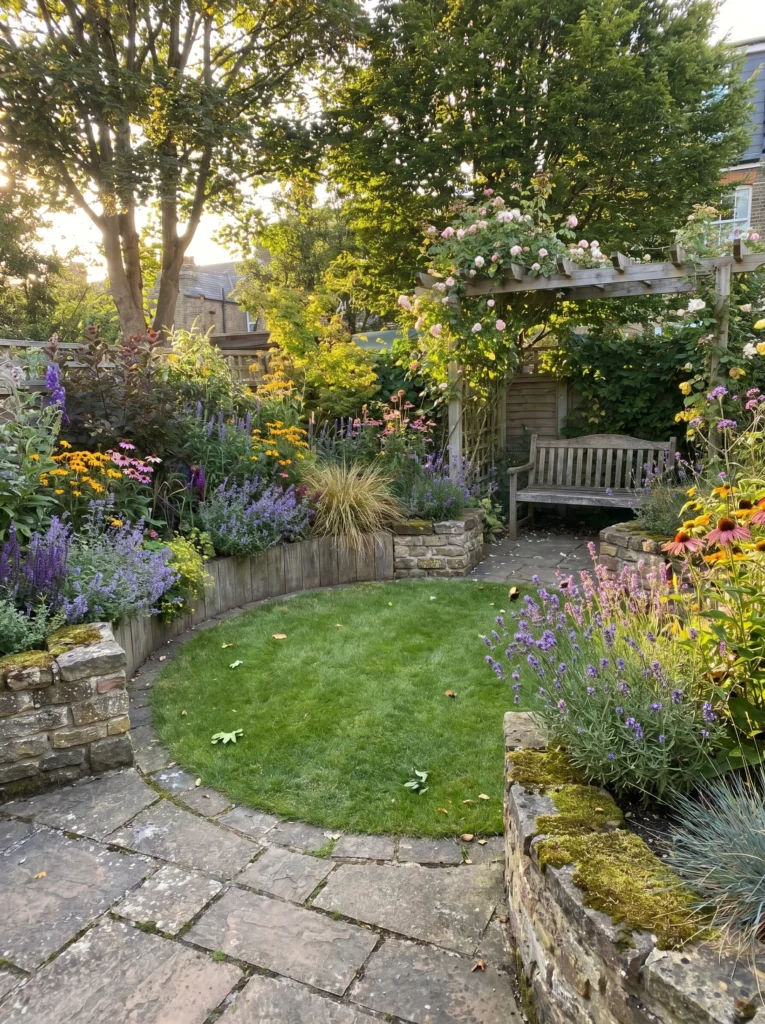
Plant around the entire fence line.
Why it works:
Creates a lush envelope effect.
Best for: Box-shaped yards.
Styling tips:
- Layer heights (tall back, low front)
- Add pollinator flowers
Avoid: Flat single-height planting.
Space-saving advantage: Central space remains open.
15. Gravel Courtyard Budget Plan
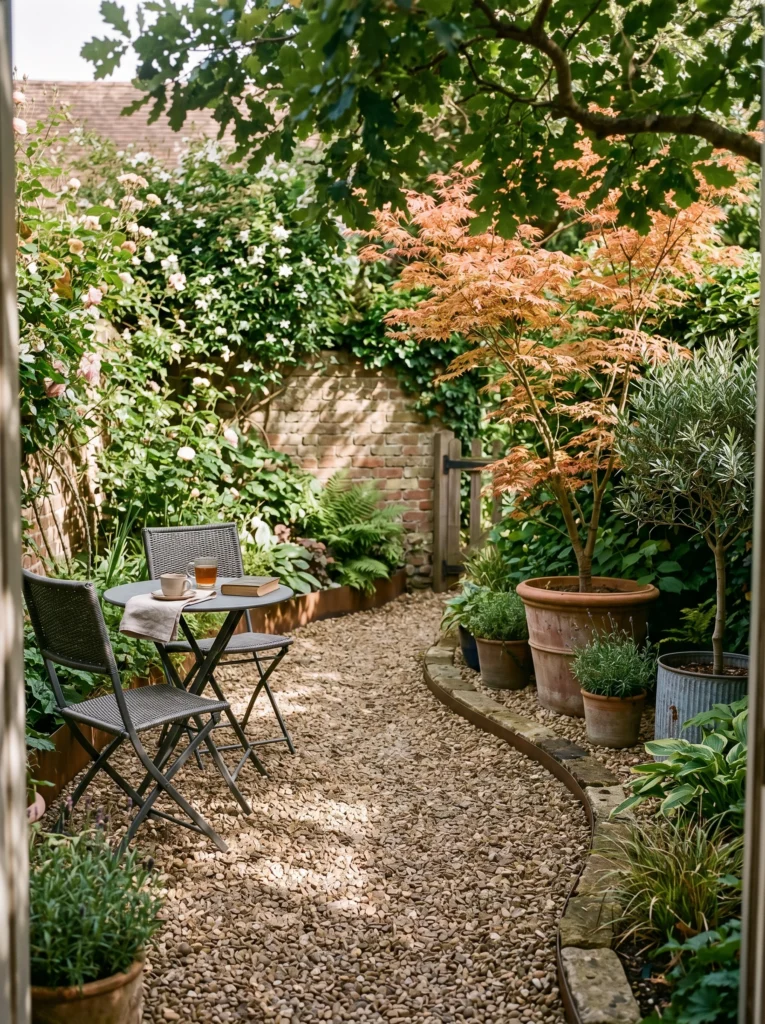
Affordable and stylish.
Why it works:
Gravel improves drainage and reduces maintenance.
Best for: DIY small yard landscaping ideas.
Styling tips:
- Add potted olive trees
- Metal bistro seating
Avoid: Poor edging that lets gravel spread.
Space-saving advantage: Low upkeep.
16. Outdoor Office Corner
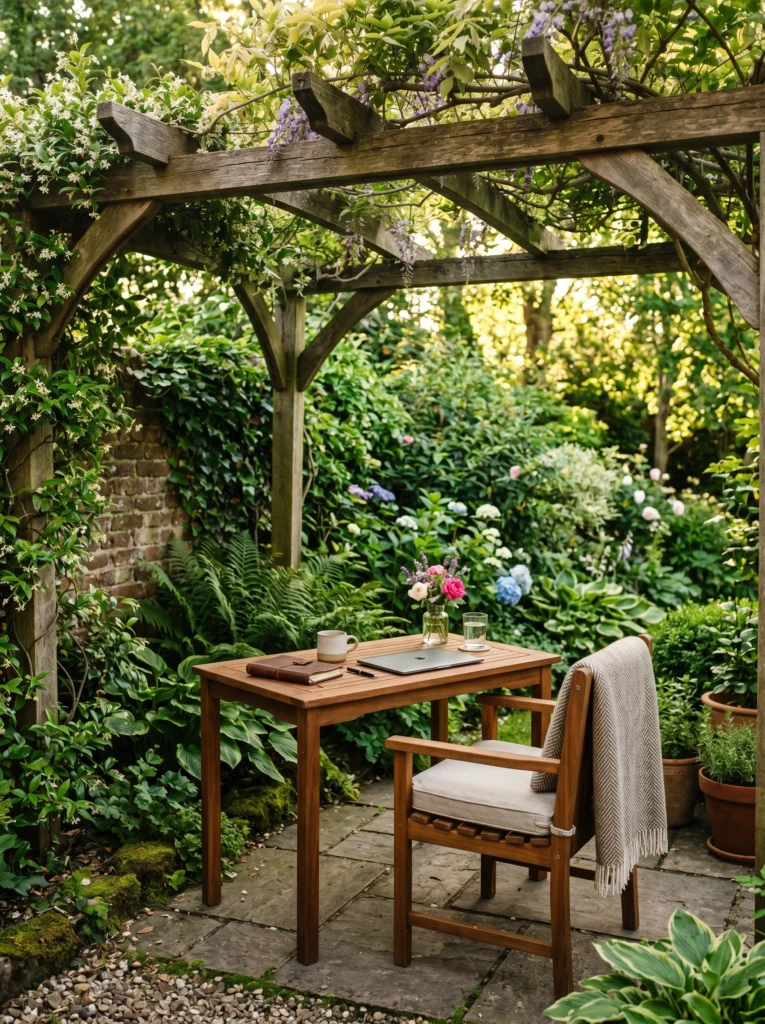
Create a focused retreat.
Why it works:
Gives purpose to unused edges.
Best for: Remote workers.
Styling tips:
- Pergola for shade
- Climbing vines for privacy
Avoid: No shade planning.
Space-saving advantage: Functional micro-zone.
17. Pet-Friendly Path Loop
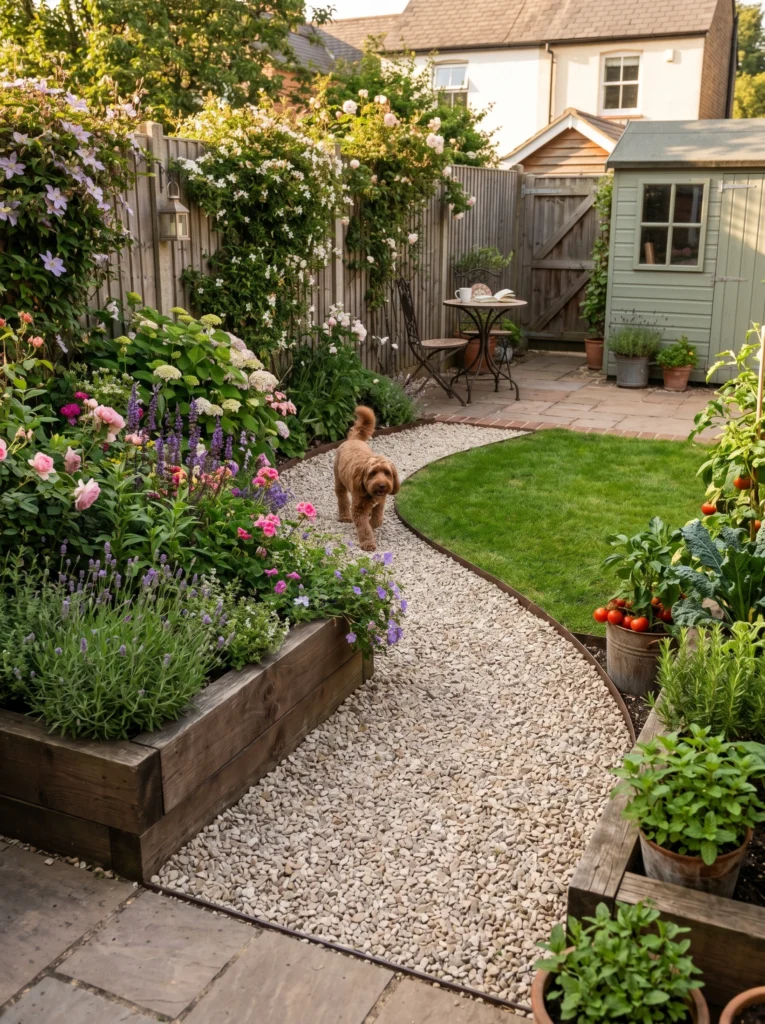
Create circulation for pets.
Why it works:
Encourages movement without destroying plants.
Best for: Dog owners.
Styling tips:
- Durable edging
- Raised beds to protect plants
Avoid: Toxic plant varieties.
Space-saving advantage: Controlled pet traffic.
18. Minimalist Zen Layout
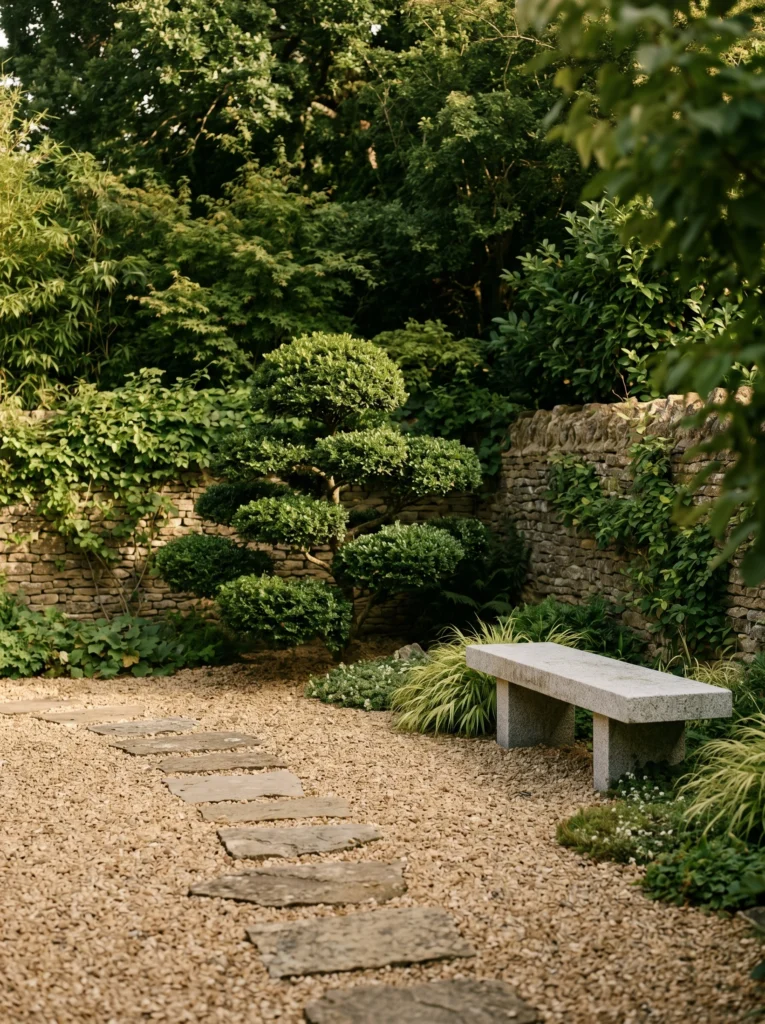
Simple. Intentional.
Why it works:
Less clutter equals more calm.
Best for: Low-maintenance gardens.
Styling tips:
- Limited plant palette
- Stone + gravel mix
Avoid: Overdecorating.
Space-saving advantage: Easy upkeep.
19. Edible Compact Garden Plan
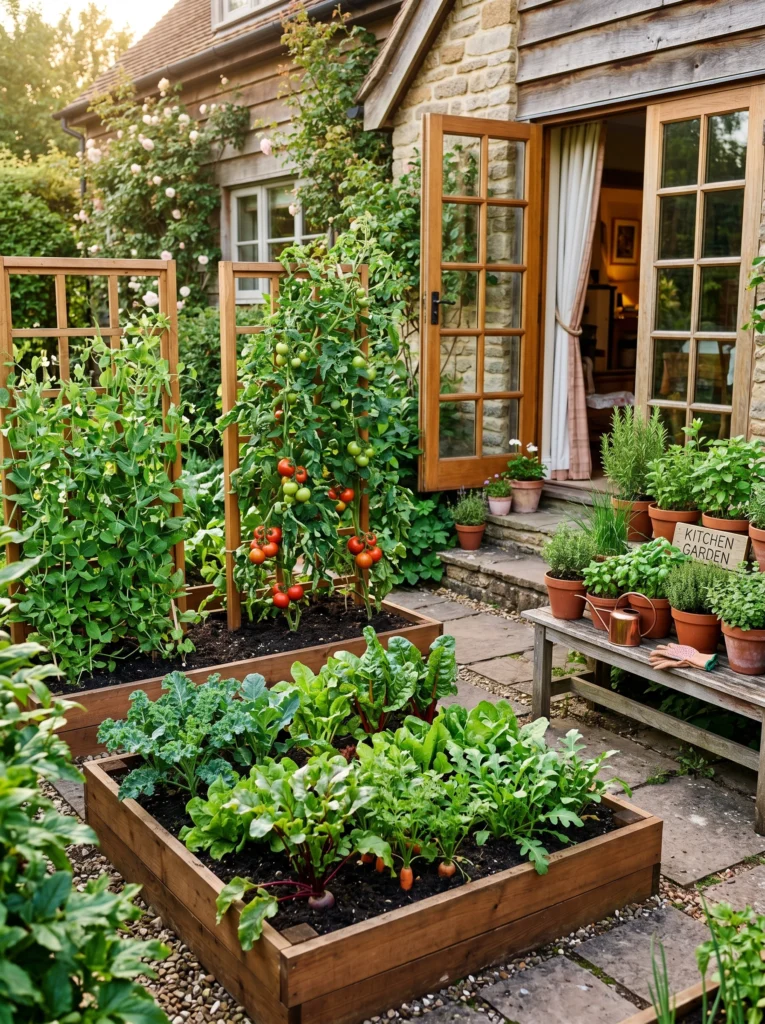
Vegetables, vertically.
Why it works:
Maximizes harvest per square foot.
Best for: Sunny yards.
Styling tips:
- Trellised tomatoes
- Herb station near kitchen door
Avoid: Ignoring crop spacing.
Space-saving advantage: High yield, small footprint.
20. Luxury Layered Designer Plan
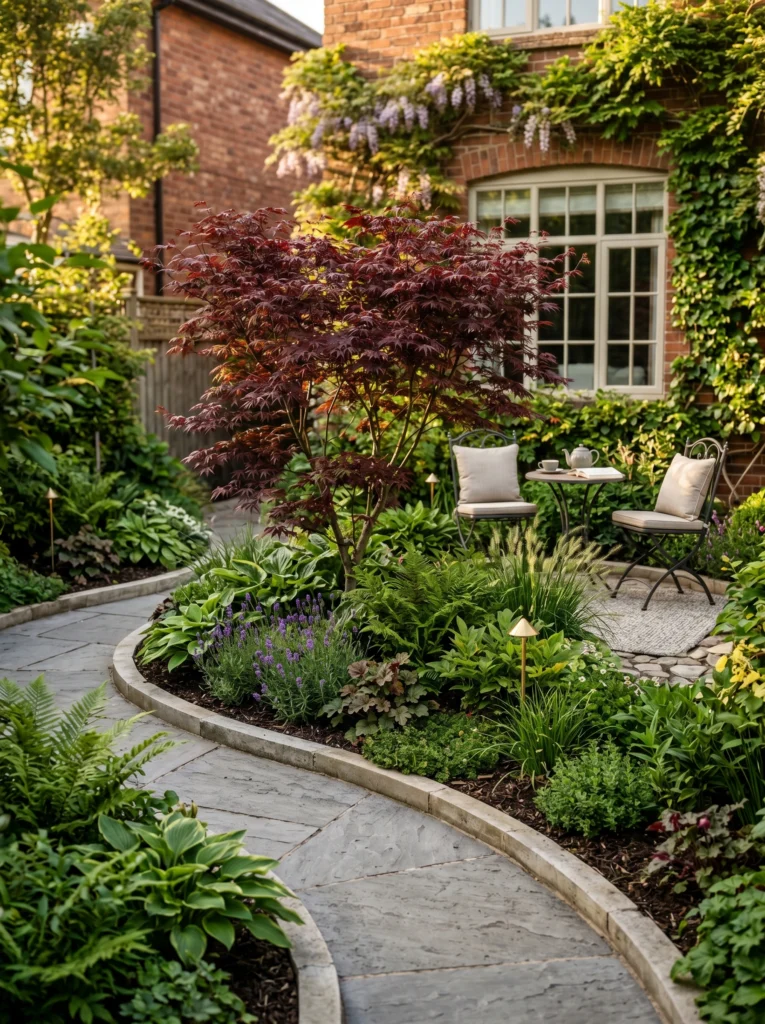
Texture, height, and focal point combined.
Why it works:
Professional layering adds depth instantly.
Best for: Premium backyard garden inspiration.
Styling tips:
- Statement tree
- Subtle garden lighting
- Stone edging
Avoid: Random plant placement.
Space-saving advantage: Big impact in small space.
Final Thoughts
The secret to great small garden plans isn’t cramming in more. It’s arranging better. When you design around movement, sunlight, and lifestyle first, everything starts to feel intentional. A tiny yard can hold a dining space, a planting zone, privacy screening, and even a focal point — if the layout supports it.
Thoughtful space-saving garden design transforms awkward corners into useful places. Even a balcony or side strip can become part of your daily life. Start with structure. Then layer beauty on top. That’s where real magic happens.