
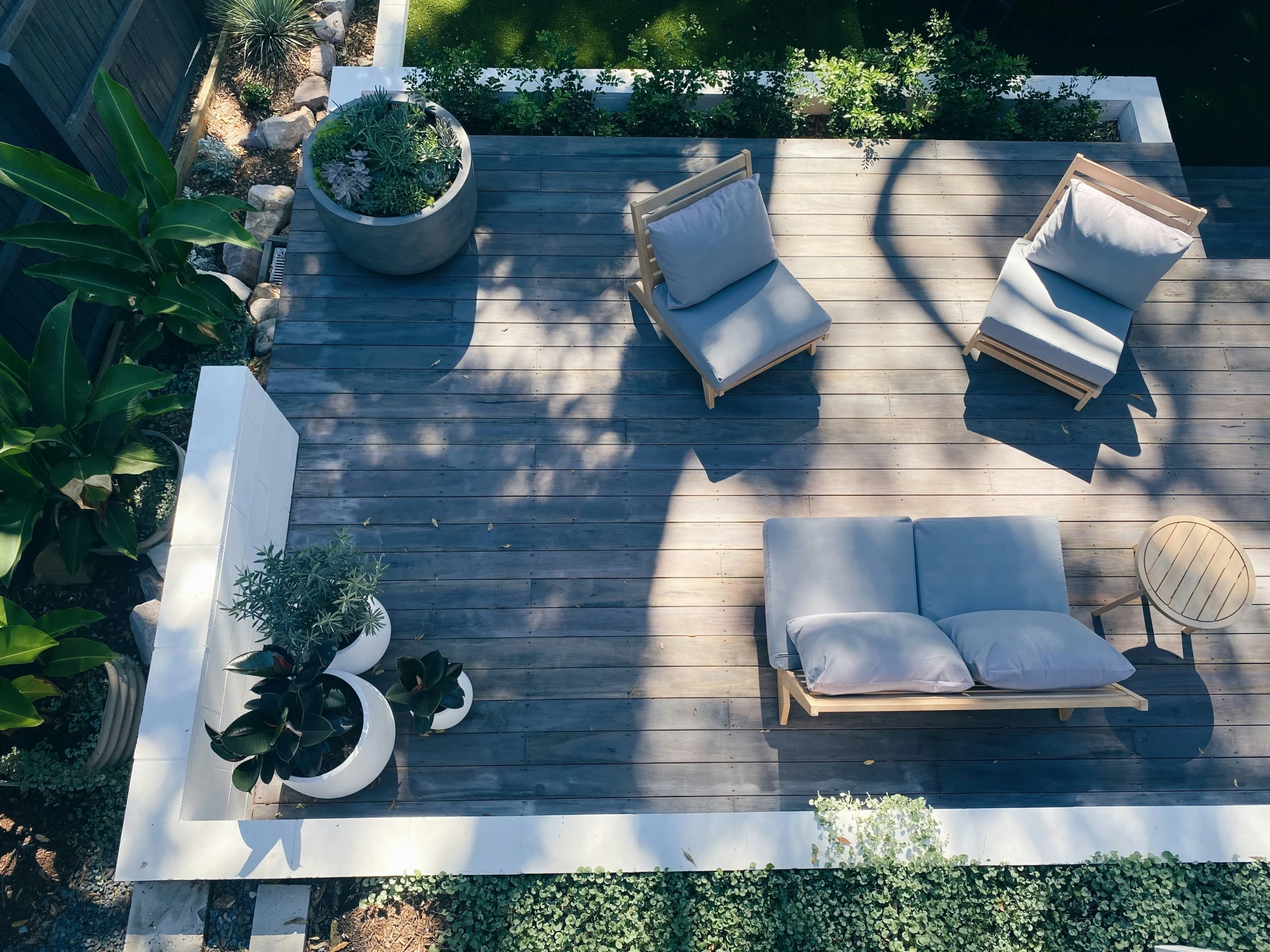
Creating a beautiful outdoor living space is a significant investment in your home and your lifestyle. However, once you have curated the perfect patio ensemble, you face a relentless adversary: the elements. Learning how to protect outdoor furniture from rain and sun is essential to preserving its beauty, structural integrity, and comfort.
In this comprehensive guide, we will delve into expert strategies, material-specific care, and actionable tips to ensure your outdoor furniture withstands the test of time and weather.
Understanding the Threat: The Elements at Work
Before implementing protective measures, it is crucial to understand exactly what you are protecting your furniture from.
The Damaging Effects of UV Rays
The sun’s ultraviolet (UV) rays act as a powerful bleaching and degrading agent. Prolonged exposure causes vibrant fabrics to fade, plastics to become brittle and crack, and wood to dry out and splinter. Just as human skin requires sunscreen, outdoor furniture needs a barrier against solar radiation to prevent irreversible structural and aesthetic damage.
The Perils of Moisture and Rain
Rain, high humidity, and morning dew introduce moisture that can wreak havoc on patio furniture. For metals, moisture accelerates oxidation, leading to rust and corrosion. For wood and natural wicker, dampness creates the perfect breeding ground for mold, mildew, and eventual rot. Even synthetic fabrics can suffer from deep-seated mildew if water is allowed to pool and stagnate.
Material Matters: Tailoring Your Protection Strategy
Not all outdoor furniture is created equal. The methods you use to protect your pieces depend heavily on their construction materials.
Wood Furniture (Teak, Cedar, Acacia)
Wooden furniture offers a timeless aesthetic but requires consistent, proactive upkeep.
- Sealants and Oils: Apply a high-quality UV-blocking polyurethane sealant or specialized wood oil (like teak or linseed oil) at least once a year. This replenishes natural oils lost to sun exposure and creates a waterproof barrier against rain.
- Elevate the Legs: Wood wicks moisture up from the ground. Consider adding rubber caps or glides to the bottom of the furniture legs to prevent ground moisture from causing wood rot.
Metal Furniture (Wrought Iron, Aluminum, Steel)
While aluminum is naturally rust-resistant, steel and wrought iron are highly vulnerable to moisture.
- Rust-Preventative Clear Coats: Treat vulnerable metals with a rust-preventative clear coat spray. If you spot a scratch or chip, touch it up immediately with exterior-grade metal paint to prevent rust from taking hold.
- Automotive Wax: A surprising but highly effective pro-tip is applying a thin layer of liquid automotive wax to metal frames. This adds a brilliant layer of UV protection and causes rainwater to bead up and roll off instantly.
Wicker and Rattan
Natural wicker belongs indoors or on heavily covered porches. For exposed outdoor spaces, synthetic resin wicker is the industry standard.
- UV Protectant Sprays: Even high-quality synthetic wicker will eventually fade and crack under intense sun. Apply a marine-grade UV protectant spray at the beginning of the summer season to keep the resin flexible, vibrant, and protected from UV degradation.
Outdoor Fabrics and Cushions
- Waterproofing Sprays: Treat all cushions, pillows, and fabric umbrellas with a heavy-duty fabric protector (such as Scotchgard Water & Sun Shield). This creates a microscopic shield that repels water and blocks UV rays.
- Proper Storage: Never leave cushions out during a heavy downpour. Store them in a waterproof, ventilated deck box when not in active use.
Expert Strategies for Year-Round Protection
Beyond material-specific care, there are universal best practices every homeowner should follow to maximize the lifespan of their patio furniture.
1. Invest in High-Quality Furniture Covers
The single most effective way to protect outdoor furniture from rain and sun is by using custom-fit, high-quality furniture covers.
- Look for Breathability: Ensure the covers are made from heavy-duty, water-resistant material (like solution-dyed polyester) but feature built-in ventilation flaps. Completely airtight covers trap condensation underneath, which leads to the exact mold and rust you are trying to prevent.
- Secure Tie-Downs: Choose covers with drawstrings, elastic hems, or buckle straps to keep them securely fastened during high winds and severe storms.
2. Utilize Shade Structures
Strategic placement can significantly extend the life of your furniture. Position your seating area beneath a pergola, awning, or large cantilever umbrella. Installing a UV-blocking sun shade sail is an affordable and stylish way to drastically reduce the amount of direct sunlight hitting your patio set during peak afternoon hours.
3. Maintain a Regular Cleaning Routine
Dirt, pollen, and bird droppings can degrade furniture finishes and embed themselves in fabrics, accelerating wear and tear. Wash your furniture monthly using a soft-bristle brush and a mixture of mild dish soap and warm water. Avoid harsh chemical cleaners and high-pressure power washers, which can strip away protective coatings and damage the underlying material.
4. Winterize and Store Properly
If you live in a region with harsh winters, leaving your furniture exposed to snow and freezing temperatures is a recipe for disaster. Freezing water expands, which can shatter plastics and split wood. Clean your furniture thoroughly at the end of the season, ensure it is 100% dry, and move it into a shed, garage, or basement. If it must stay outside, group the pieces together, cover them securely, and place a small object (like an overturned bucket) under the center of the cover to create a tent effect, ensuring snow and rain run off rather than pooling in the center.
Conclusion
Learning how to protect outdoor furniture from rain and sun does not have to be a daunting task. By understanding the specific vulnerabilities of your furniture’s materials, investing in breathable covers, applying the right sealants, and maintaining a regular cleaning schedule, you can safeguard your outdoor oasis for years to come.
Don’t let the elements dictate the lifespan of your patio investment. Take action today by assessing your current furniture, applying a fresh coat of UV protectant, and securing high-quality weather covers.