

Outdoor living spaces are an extension of our homes, providing a perfect sanctuary for relaxation, entertaining guests, and enjoying nature. However, over time, exposure to the elements—sun, rain, wind, and dirt—can take a toll on your patio sets. Knowing exactly how to clean outdoor furniture is essential not only for maintaining its aesthetic appeal but also for extending its lifespan.
In this comprehensive guide, we will walk you through the best practices, expert techniques, and material-specific strategies to keep your outdoor furniture looking brand new year after year.
Why Regular Maintenance Matters

Before diving into the cleaning process, it is important to understand why regular upkeep is non-negotiable. Outdoor furniture is constantly exposed to UV rays, moisture, pollen, and bird droppings. Left unattended, these elements can cause structural damage, permanent staining, rust, and wood rot. By dedicating just a few hours a season to properly clean your outdoor furniture, you protect your investment, ensure a hygienic seating area, and elevate the overall look of your backyard oasis.
How to Clean Outdoor Furniture by Material
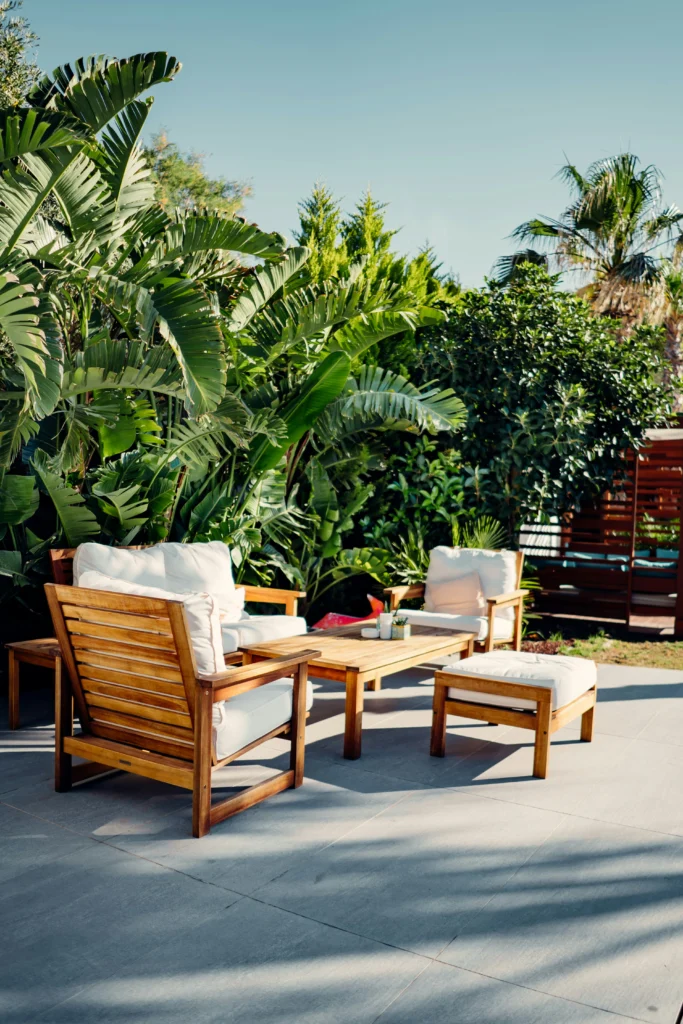
The golden rule of outdoor furniture maintenance is that there is no one-size-fits-all solution. Different materials require different cleaning agents and techniques. Here is a breakdown of how to tackle the most common types:
1. Plastic and Resin
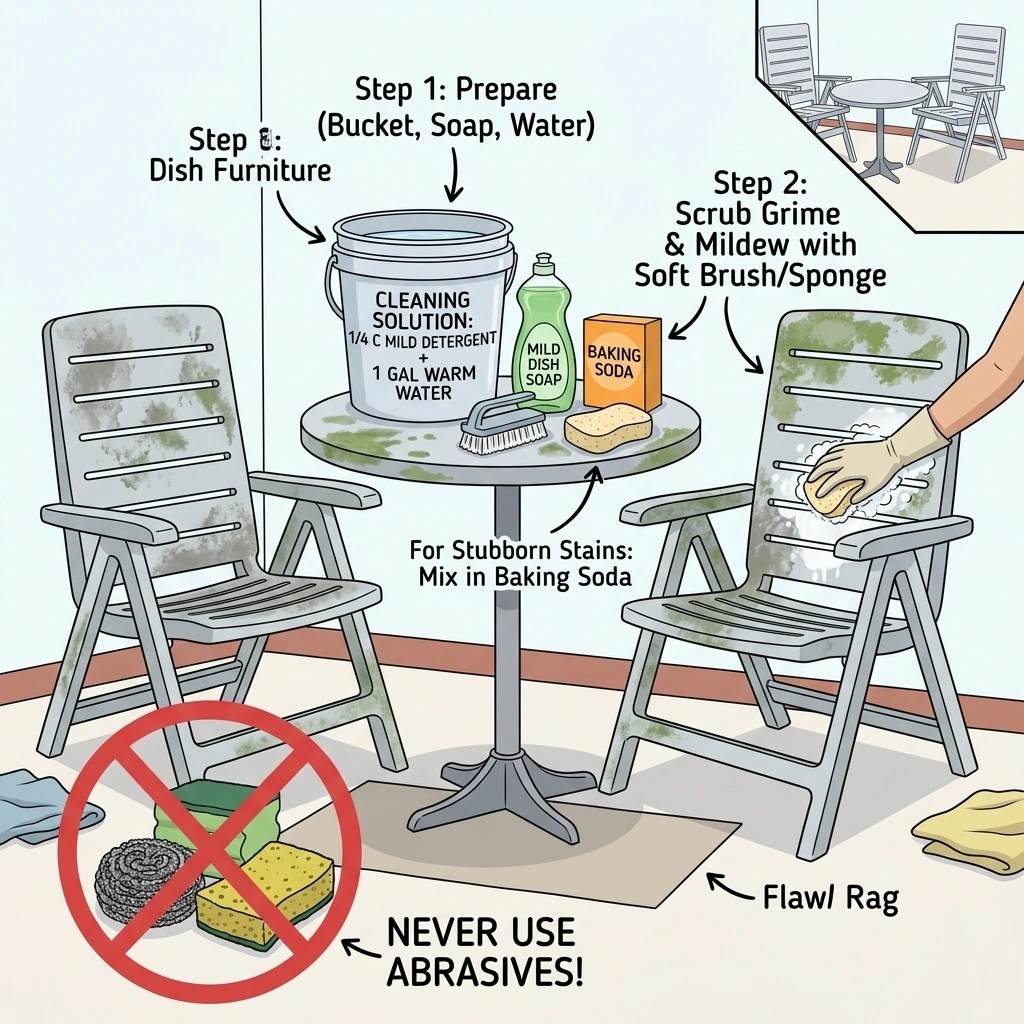
Plastic and resin furniture is incredibly durable and relatively low-maintenance, but it can easily accumulate grime and mildew. The Expert Method: Mix a quarter cup of mild dish detergent with a gallon of warm water. Use a soft-bristle brush or a sponge to scrub the surfaces. For stubborn stains or mildew, add a half cup of baking soda to the mixture. Avoid abrasive cleaners or scouring pads, as they can scratch the plastic and leave micro-crevices where dirt can accumulate.
2. Wood (Teak, Cedar, and Eucalyptus)
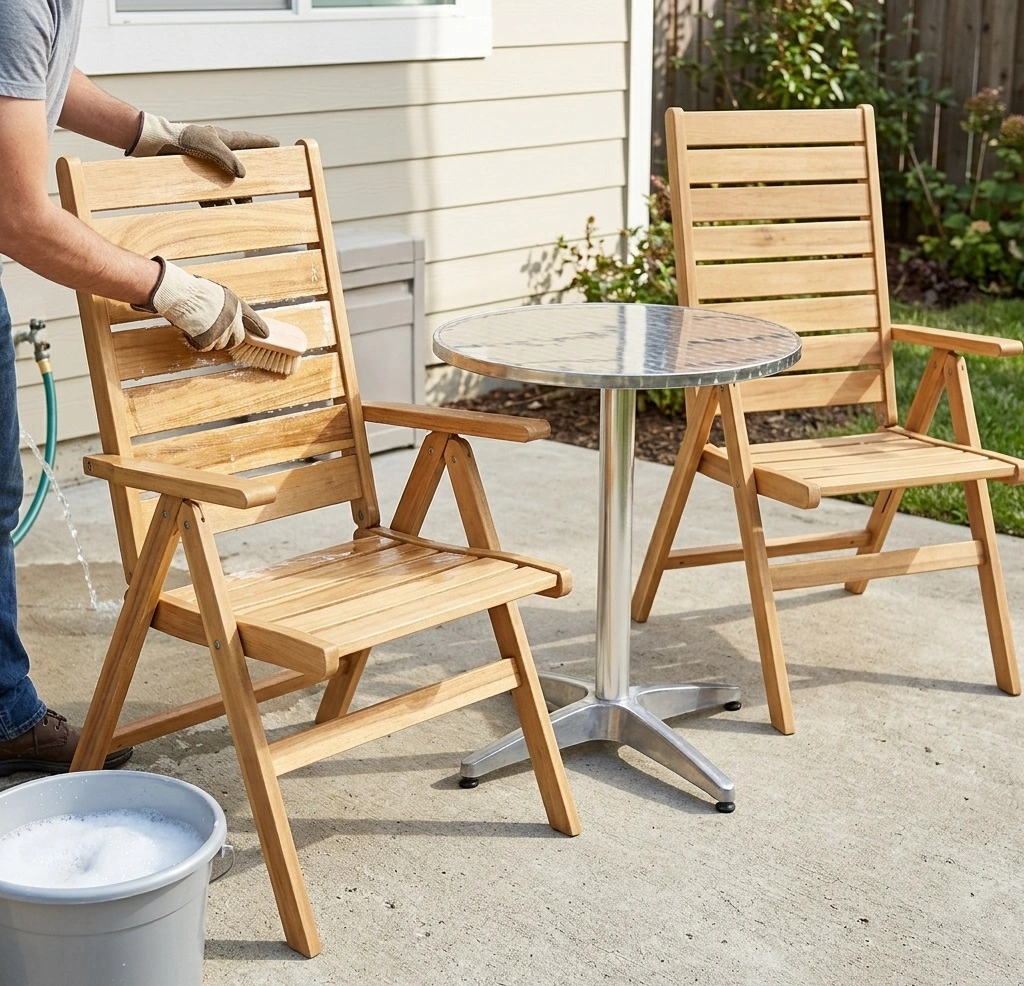
Wooden outdoor furniture adds a beautiful, natural touch to any patio, but it requires careful handling to prevent splintering and drying out. The Expert Method: Use a specialized wood cleaner or a mild oil-based soap mixed with warm water. Scrub gently in the direction of the wood grain using a soft brush. Rinse thoroughly with a garden hose. Important: Never use a pressure washer on wooden furniture, as the high pressure can strip the finish and gouge the wood. Once dry, consider applying a protective sealant or teak oil to restore its natural luster and protect it from UV rays.
3. Metal (Aluminum, Wrought Iron, and Steel)
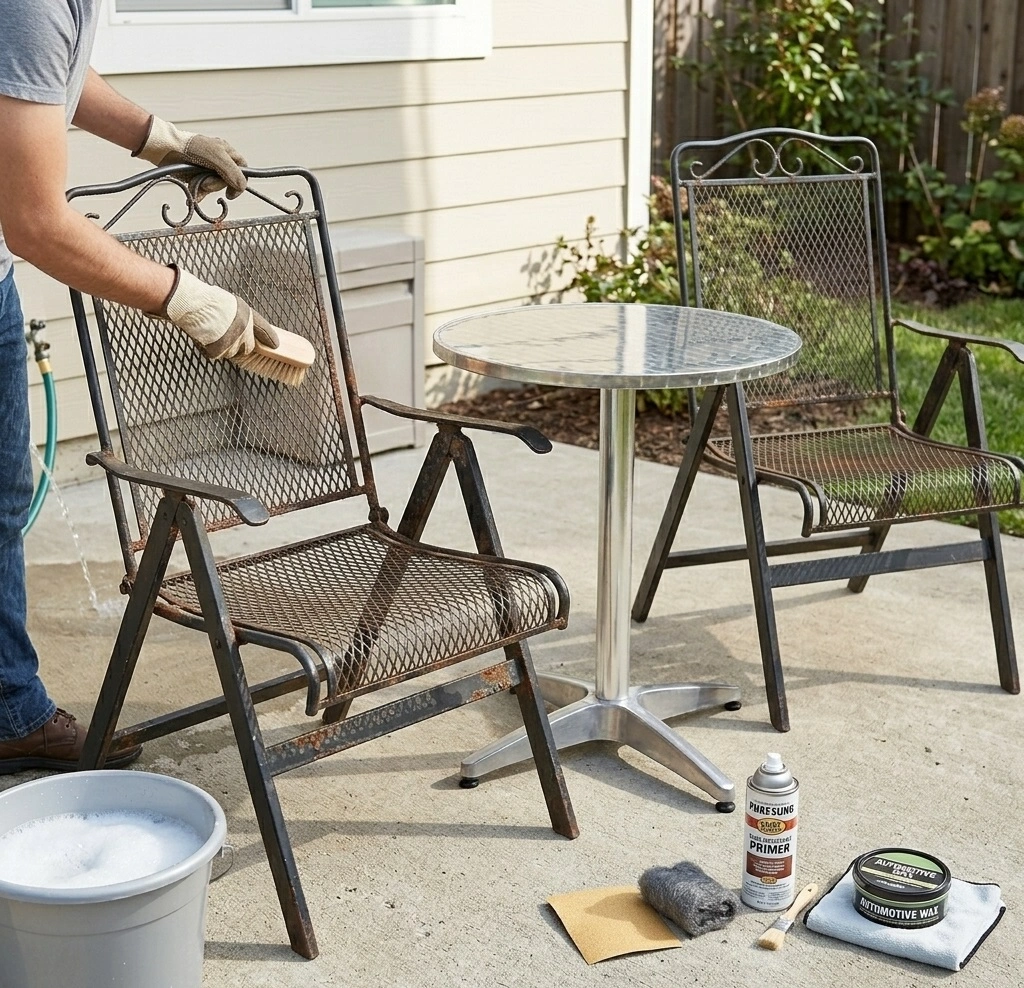
Metal furniture is sturdy but highly susceptible to rust and oxidation if the protective coating is compromised. The Expert Method: Wash with a simple solution of dish soap and water. Pay close attention to joints and crevices where rust tends to form. If you spot any rust, use a fine-grit sandpaper or steel wool to gently remove it, then touch up the area with a rust-resistant primer and matching paint. To add an extra layer of protection, apply a thin coat of automotive wax after the furniture is completely dry.
4. Wicker and Rattan
Whether natural or synthetic, the woven texture of wicker and rattan makes it a magnet for dust and pollen. The Expert Method: Start by using a vacuum cleaner with a brush attachment to remove loose dirt from the weaves. Next, use a soft brush and a mild soapy water solution to wash the surface. A toothbrush is an excellent tool for getting into tight corners. Rinse lightly with a hose and allow it to dry completely in the sun to prevent mold growth.
5. Fabric and Canvas Cushions
Cushions bear the brunt of spills, sweat, and sunscreen. The Expert Method: Check the manufacturer’s care tag first. For general cleaning, mix one tablespoon of dish soap and one teaspoon of Borax into a quart of warm water. Spray the solution generously over the fabric, let it sit for 15 minutes, and scrub with a soft brush. For mildew spots, a mixture of equal parts white vinegar and water works wonders. Always allow cushions to air dry completely by standing them on their edges to promote water drainage.
Step-by-Step General Cleaning Process
Regardless of the material, follow this universal workflow for the best results:
- Prep the Area: Move your furniture to a grassy area or a driveway to avoid damaging your deck or patio with soapy runoff.
- Dry Brush: Always start by sweeping away loose dirt, cobwebs, and leaves with a dry brush or a microfiber cloth.
- Wash and Scrub: Apply your material-specific cleaning solution, working from the top down.
- Rinse Gently: Use a garden hose on a gentle setting. Avoid power washers unless specifically recommended by the manufacturer.
- Dry Completely: Towel dry metal and plastic to prevent water spots, and allow wood and fabrics to air dry thoroughly in a sunny, well-ventilated area.
Pro Tips for Preventing Damage
Cleaning is only half the battle. To minimize your workload next season, implement these preventative measures:
- Invest in Furniture Covers: High-quality, breathable, and waterproof covers are your best defense against the elements.
- Store During the Off-Season: If you live in an area with harsh winters, store your furniture in a garage or shed.
- Apply Protectants: Use UV-protectant sprays on plastics and fabrics to prevent fading and sun damage.
Conclusion
Learning how to clean outdoor furniture properly is a straightforward process that yields massive returns in terms of longevity and aesthetics. By understanding the specific needs of your materials—whether it be the gentle touch required for teak or the rust-prevention tactics for wrought iron—you can maintain a pristine and welcoming outdoor living space all year round.