
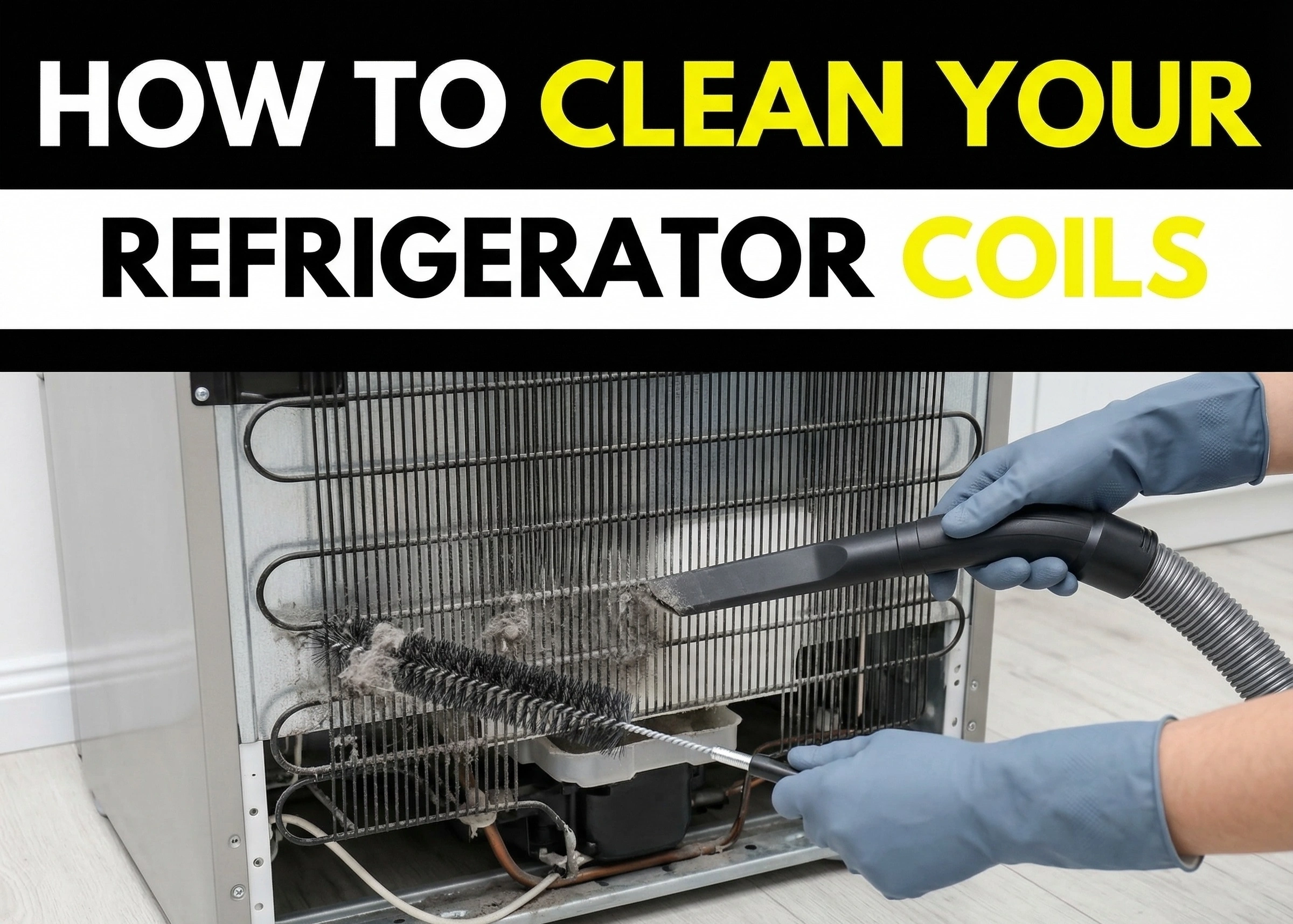
Are you aware of the fact that one of the most common causes of early demise of your refrigerator has a simple solution that will take you less than thirty minutes? Learning the tricks of cleaning your refrigerator coils has become a fundamental part of home maintenance that has gone unnoticed for a long time. As a domain expert with years of experience in the longevity of home appliances, I am going to guide you through this fundamental process of home maintenance. Cleaning your condenser coils will not only increase the longevity of your appliance but will also help you cut down your utility bills significantly.
Why Cleaning Your Refrigerator Coils is Crucial
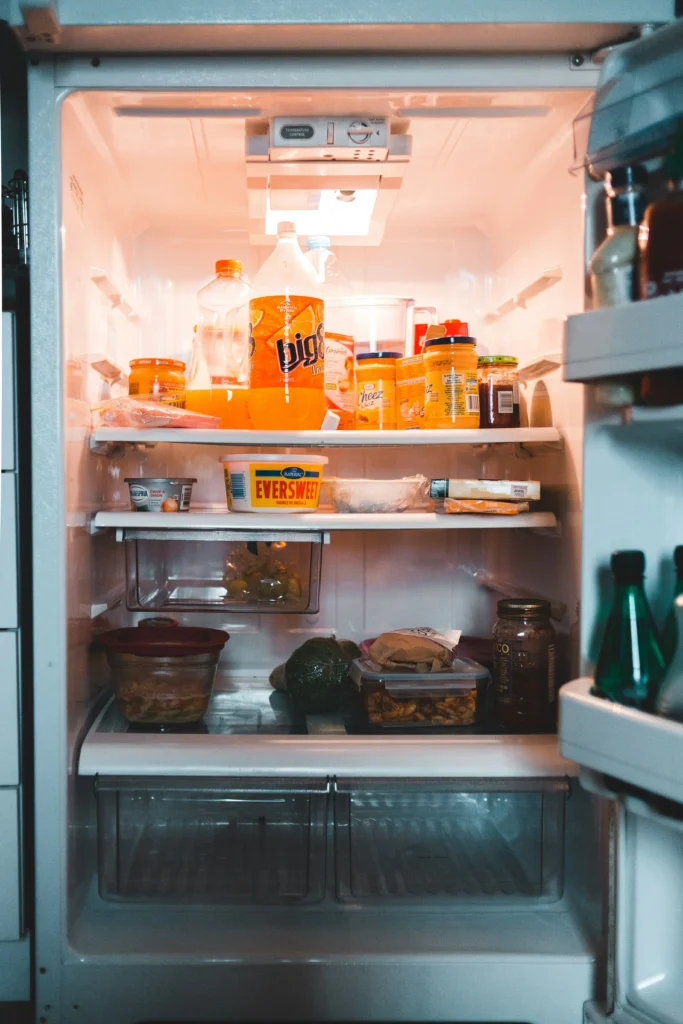
The condenser coils of your refrigerator are technically responsible for dissipating the heat that has been removed from the interior of your appliance. When your condenser coils get clogged with dust, pet hair, and kitchen debris, they lose their efficiency in dissipating heat. This, in turn, causes your compressor to work harder than usual to maintain a certain temperature inside your refrigerator. This causes three major problems:
Skyrocketing Energy Bills: When your refrigerator does not work efficiently, it will consume a lot more power to maintain a certain temperature inside your appliance.
Increased Wear and Tear: When your compressor works harder, it causes a drastic decrease in the longevity of your appliance.
Food Spoilage Risks: When your compressor does not work efficiently, the temperature inside your refrigerator increases, putting your groceries at risk.
How Often Should You Clean the Coils?
Generally, it is recommended that you clean the refrigerator coils at least twice a year. However, if you have many pets that shed a lot, you live in a dusty environment, or you have a refrigerator installed in a garage or a workshop, you may need to clean the coils at least once every three or four months.
Essential Tools for the Job
Before you begin cleaning the refrigerator coils, it is important that you have the following tools at hand. These will help you have a smooth experience:
A Coil Cleaning Brush: This is a flexible brush used to clean the coils in the tight spaces between them.
A Vacuum Cleaner: It is important that the vacuum cleaner you use has a narrow crevice tool as well as a brush tool.
A Flashlight: This tool will come in handy when you need light in dark spaces under or behind the refrigerator.
A Dust Mask: This tool is important in protecting you from inhaled dust and allergens.
Step-by-Step Guide: How to Clean Your Refrigerator Coils
Step 1: Prioritize Safety and Unplug the Appliance
It is important that you always prioritize safety when working on appliances. To do this, you will first need to disconnect the power cord from the wall outlet. You can do this by pulling the refrigerator away from the wall just enough to reach the power cord. If you can’t reach the cord, you can also switch off the power at the main electrical panel.
Step 2: Locate the Condenser Coils
The location of the coils varies depending on the specific model of the refrigerator you use. The coils can be:
Bottom Coils: Most refrigerators today have their coils located at the bottom of the appliance, at the back, behind a grille or a base grille.
Back Coils: If you have an older model, you may find a big, black grid of coils at the back of the appliance.
Top Coils: Some built-in or commercial-type refrigerators have coils at the top of the cabinet behind a ventilated panel.
Step 3: Remove the Protective Grille or Panel
If your coils are on the bottom or top, you’ll have to remove the protective panel. The grilles on the bottom usually come off easily with a gentle pull. However, some may require a screwdriver. Set the panel aside and wash it in warm soapy water.
Step 4: Initial Vacuuming
Put on your dust mask and plug in your flashlight. Now it’s time to vacuum the easily accessible webs and dust bunnies at the front of the coil assembly. Use the narrow end of the crevice tool on your vacuum to gently suck up the loose stuff.
Step 5: Agitate Stubborn Debris with the Coil Brush
This is the magic part. Insert the flexible coil brush into the spaces between the coils. Now gently agitate the compacted stuff in the coils. This may involve a gentle back and forth motion and some twisting. Work both sides. You’ll probably pull out large clumps of stuff. This is completely normal.
Step 6: Vacuum the Dislodged Dirt
As you agitate the grime with the brush, immediately vacuum the dislodged stuff. Continue to alternate between brushing and vacuuming until all the grime is gone. Don’t forget to vacuum the floor below and behind the refrigerator. This is because the brushing action will inevitably send dust to the floor.
Step 7: Reassemble and Restore Power
Finally, once you have cleaned the coils and swept the floor, you can reattach the base grille or back panel. Next, you will need to push your refrigerator back to its desired location. When doing this, make sure you have at least an inch of clearance between the back of your refrigerator and the wall. Finally, you will need to plug your refrigerator back into the outlet or flip the breaker back on.
Expert Tips for Sustained Appliance Health
To get the most out of your newly cleaned refrigerator, consider these expert tips:
Maintain Clearance
Never push your refrigerator up against the back wall or pack your kitchen cabinets too tightly around your refrigerator. This will inhibit airflow, which is critical to heat dissipation.
Keep the Surrounding Area Clean
Sweep or vacuum your kitchen floor area around your refrigerator to limit the amount of dust that gets sucked into your refrigerator’s base grille by the condenser fan.
Monitor Temperatures
Install a standalone appliance thermometer inside your refrigerator to make sure that your compressor is working correctly after you have performed this maintenance task.
Conclusion
Learning to clean your refrigerator coils is a relatively easy, extremely rewarding do-it-yourself home improvement task that will bring you massive returns on energy savings. All you have to do is take a few minutes every six months to clean your refrigerator coils to protect this massive financial investment.