
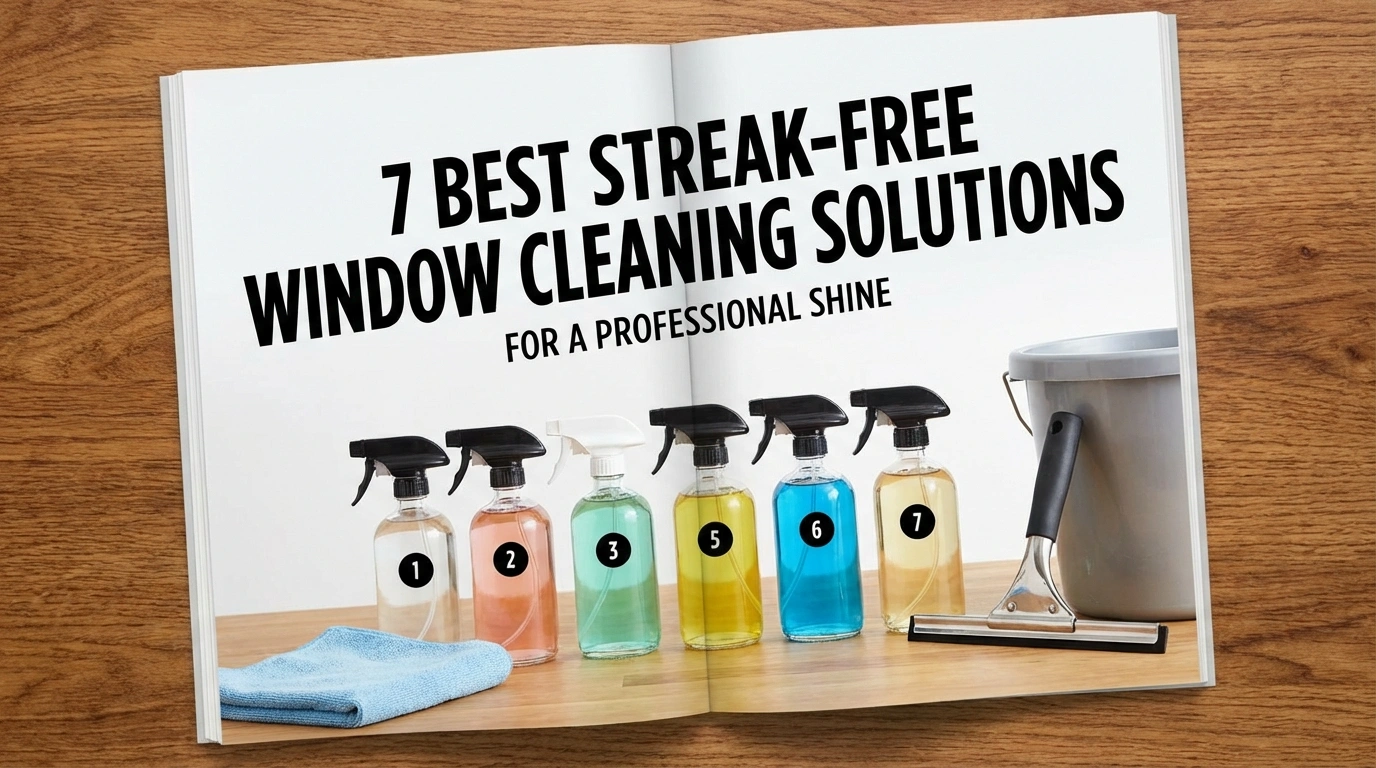
There is nothing quite like the sight of crystal-clear windows to make a home or office feel rejuvenated. However, achieving that elusive streak-free shine is often easier said than done. Many homeowners find themselves frustrated when, after hours of scrubbing, the sun hits the glass to reveal a map of hazy lines, foggy patches, and unsightly spots. The secret to professional-grade results lies in the combination of the right cleaning solution, high-quality tools, and proper technique. In this comprehensive guide, we will explore the best streak-free window cleaning solutions—ranging from DIY household mixtures to specialized commercial products—and provide actionable insights to ensure your glass remains spotless and transparent.
Understanding the Culprit: Why Do Windows Streak?
Before diving into the solutions, it is essential to understand why streaks occur in the first place. Streaks are typically the result of three main factors:
- Residual Cleaning Product: Using too much soap or a solution with heavy dyes and scents leaves a microscopic film on the glass that catches the light.
- Evaporation Rate: If you clean windows in direct sunlight or on a hot day, the liquid evaporates before you can wipe it away, leaving minerals and soap behind.
- Hard Water Minerals: Tap water often contains high levels of calcium and magnesium. When the water evaporates, these minerals stay on the glass, creating “hard water spots.”
1. The Professional DIY Standard: Vinegar and Distilled Water
For many professional cleaners and eco-conscious homeowners, the absolute best streak-free window cleaning solution is a simple mixture of white vinegar and distilled water. Vinegar is mildly acidic, which allows it to break down the “biofilm” or grease that naturally accumulates on glass surfaces.
The Recipe: Mix 50% distilled white vinegar with 50% distilled water in a clean spray bottle.
Expert Insight: The use of distilled water is the most important part of this recipe. Unlike tap water, distilled water has been stripped of minerals, ensuring that no spots are left behind once the liquid dries.
2. The “Alcohol Boost” for Heavy Grime
If your windows are located near a kitchen or a busy street, they likely have a layer of oily residue or exhaust soot. In these cases, vinegar alone may not be enough. Adding isopropyl (rubbing) alcohol to your solution increases the evaporation rate and helps cut through grease without leaving a trace.
The Recipe:
- 2 cups of distilled water
- 1/4 cup of white vinegar
- 1/2 teaspoon of liquid dish soap (clear soap is best)
- 1/4 cup of rubbing alcohol
This combination is widely considered the gold standard for DIY solutions because the alcohol ensures the mixture dries rapidly, which is the key to preventing streaks during the wiping process.
3. Commercial Excellence: Stoner Invisible Glass
While many DIY solutions work wonders, some commercial products are engineered specifically to avoid the surfactants found in grocery store cleaners. Stoner Invisible Glass is a top-rated choice among automotive enthusiasts and professional cleaners. Unlike traditional blue-tinted cleaners, it contains no soaps, scents, or dyes. Because there is no soap to leave a film, there is nothing left on the glass to cause streaks. It is available in both aerosol and spray forms and is safe for tinted windows.
4. The Secret Ingredient: Cornstarch
It sounds like a kitchen experiment, but adding a small amount of cornstarch to your window cleaning solution is a “pro secret” that has been used for decades. The cornstarch acts as a very fine abrasive that helps remove stubborn debris without scratching the glass, and it breaks the surface tension of the water, allowing it to be wiped away more cleanly.
The Recipe: Add 1 tablespoon of cornstarch to 1 quart of warm distilled water and 1/4 cup of vinegar.
5. The Importance of High-Quality Tools
Even the most expensive solution will fail if you use the wrong tools. Avoid paper towels at all costs; they are often treated with chemicals and leave behind lint and fibers.
- The Squeegee: This is the industry standard. A high-quality brass or stainless steel squeegee with a fresh rubber blade is the most effective way to remove liquid from glass.
- Microfiber Cloths: If you prefer a cloth, use a “waffle weave” microfiber cloth. These are designed specifically for glass and trap dirt within the fibers rather than spreading it across the surface.
6. Professional Technique: The “S” Pattern
To clean like a professional, you must master the “S” pattern (also known as the fanning method). Instead of scrubbing back and forth, start at the top corner of the window and move the squeegee in a continuous, fluid motion across the glass, curving down and back across. This keeps the dirty water moving toward the uncleaned portion of the window and prevents the “stop-and-start” lines that occur with vertical or horizontal strokes.
7. Timing Your Cleaning for Success
One of the most overlooked aspects of window maintenance is the weather. Never clean your windows on a hot, sunny day. The heat causes the solution to dry almost instantly upon contact, making it nearly impossible to squeegee or wipe it off before streaks form. Instead, choose a cloudy day or work in the early morning when the glass is cool to the touch.
Conclusion
Achieving a professional, streak-free shine is a blend of chemistry and technique. By switching to distilled water, utilizing a vinegar-alcohol base, and investing in a quality squeegee or microfiber cloth, you can transform the appearance of your home. Remember to avoid direct sunlight and always work from the top of the window down.
Ready for a clearer view? Gather your supplies today and give your windows the clarity they deserve. For more home maintenance tips and professional cleaning hacks, subscribe to our newsletter and stay updated on the latest industry secrets!