
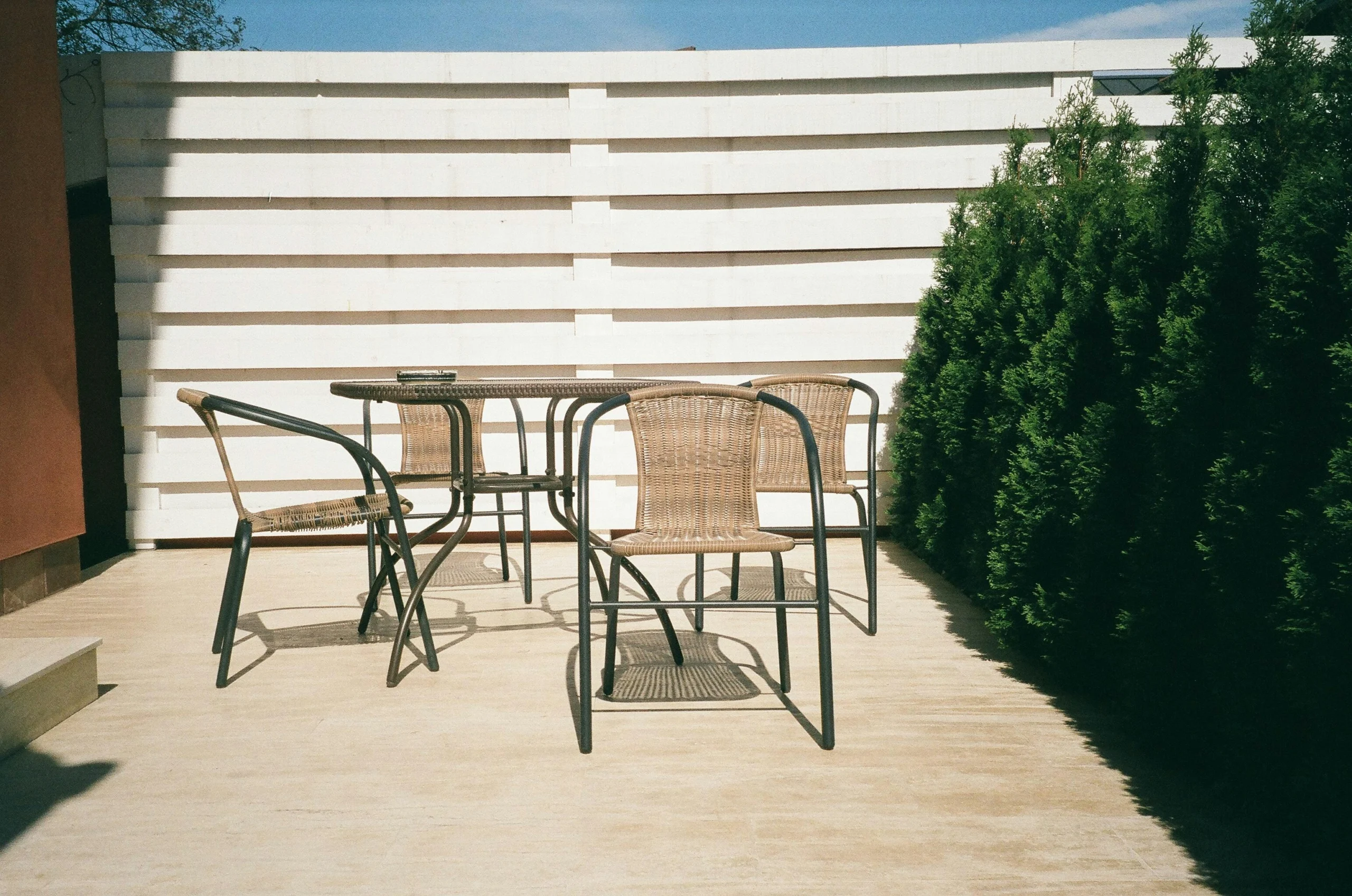
Nothing ruins the aesthetic appeal of a beautiful outdoor living space quite like rusty patio furniture. Over time, exposure to rain, humidity, and fluctuating temperatures can cause metal patio chairs to develop unsightly and damaging rust spots. However, before you consider tossing your favorite outdoor seating, you should know that removing rust from metal patio chairs is a completely manageable DIY project.
As outdoor furniture experts, we have compiled this comprehensive guide to help you eliminate rust, restore your chairs to their former glory, and protect them against future corrosion.
Why Does Rust Form on Metal Patio Chairs?
Rust is the result of a chemical reaction known as oxidation. When iron or steel is exposed to oxygen and moisture over an extended period, iron oxide (rust) forms. Even if your metal patio chairs were originally coated with protective paint or powder coating, small scratches, dents, or general wear and tear can expose the bare metal underneath. Once water finds its way into these microscopic vulnerabilities, the rusting process begins.
Essential Tools and Materials for Rust Removal
Before diving into the rust removal process, gather the necessary supplies. Having the right tools on hand ensures a safe and effective restoration:
- Safety Gear: Protective gloves, safety goggles, and a dust mask.
- Abrasives: A stiff wire brush, steel wool, and medium-to-fine grit sandpaper.
- Cleaning Agents: White vinegar, baking soda, and mild dish soap.
- Commercial Products (Optional): Chemical rust remover or rust converter.
- Finishing Supplies: Rust-inhibiting metal primer, rust-resistant spray paint, and a clear protective topcoat.
Step-by-Step Methods to Remove Rust
Depending on the severity of the rust on your metal patio chairs, you can choose from several highly effective methods.
Method 1: The White Vinegar Solution (Best for Light to Medium Rust)
White vinegar contains acetic acid, which naturally dissolves rust without the need for harsh chemicals.
- Clean the Chair: Wash the chair with warm water and dish soap to remove dirt and debris. Dry it completely.
- Apply Vinegar: Soak a clean cloth or paper towels in undiluted white vinegar and wrap them around the rusty areas. Alternatively, you can pour vinegar into a spray bottle and saturate the rust spots.
- Let it Sit: Allow the vinegar to work its magic for at least 2 to 4 hours. For stubborn rust, let it sit overnight.
- Scrub and Rinse: Remove the cloths and scrub the loosened rust away with a wire brush or steel wool. Rinse the area thoroughly with water and dry it immediately to prevent flash rusting.
Method 2: Baking Soda Paste (Best for Spot Treatment)
Baking soda is a mild abrasive that works wonders on small, isolated rust patches.
- Mix the Paste: Combine baking soda with a small amount of water to create a thick, spreadable paste.
- Apply to Rust: Coat the rusty spots entirely with the paste and let it sit for 1 to 2 hours.
- Scrub Away: Use a stiff-bristled brush or an old toothbrush to scrub the paste into the rust. The abrasive action will lift the oxidation from the metal surface.
- Rinse and Dry: Wipe the area clean with a damp cloth and dry it thoroughly.
Method 3: Mechanical Removal (Best for Heavy, Flaking Rust)
When rust has formed thick, crusty layers, natural acids might not be enough. You will need to use elbow grease.
- Wire Brushing: Put on your safety goggles and dust mask. Vigorously brush the affected areas with a wire brush to knock off the loose, flaking rust.
- Sanding: Follow up with medium-grit sandpaper (around 80 to 120 grit) to smooth out the remaining rust.
- Refining: Switch to a fine-grit sandpaper (220 grit) to blend the edges where the paint meets the bare metal, ensuring a smooth surface for repainting.
Method 4: Commercial Rust Removers
If you are dealing with severe corrosion, commercial rust removers containing phosphoric or oxalic acid are highly effective. Always follow the manufacturer’s instructions carefully, wear appropriate safety gear, and work in a well-ventilated area. Alternatively, a “rust converter” can be applied directly over tight rust, chemically converting it into a stable, paintable polymeric coating.
How to Prevent Rust from Returning
Removing the rust is only half the battle; preventing its return is crucial for the longevity of your metal patio chairs.
- Apply a Rust-Inhibiting Primer: Once the metal is clean, dry, and sanded smooth, immediately apply a high-quality rust-inhibiting primer. This seals the bare metal from oxygen and moisture.
- Paint: Apply two to three thin coats of exterior-grade, rust-resistant spray paint designed specifically for metal surfaces.
- Seal with a Clear Coat: For ultimate durability, finish with a UV-resistant clear topcoat to protect the paint from chipping and fading.
- Routine Maintenance: Keep your chairs clean, touch up scratches as soon as they occur, and use waterproof furniture covers during harsh weather or the off-season.
Conclusion
Removing rust from metal patio chairs requires a bit of patience and effort, but the results are incredibly rewarding. By utilizing the right combination of natural solutions, mechanical abrasion, and proper preventative coatings, you can extend the life of your outdoor furniture by years. Don’t let a little oxidation force you into buying a brand-new patio set.