
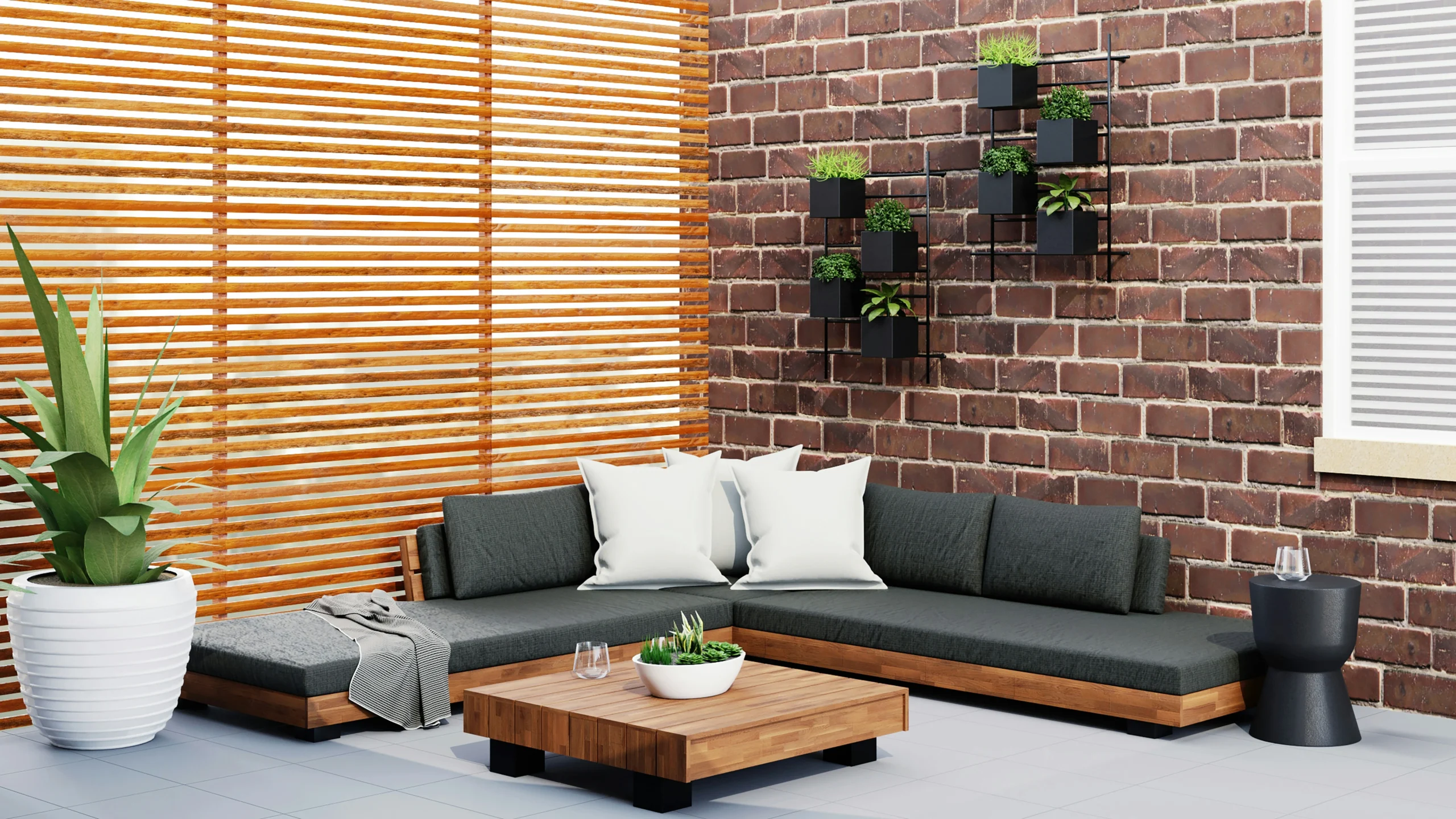
As the weather warms up and you prepare to host your first outdoor gathering of the season, you might uncover an unwelcome guest on your favorite outdoor seating: mildew. Mildew is not only an eyesore that ruins the aesthetic of your outdoor oasis, but it can also degrade your furniture materials over time and trigger allergies.
If you are wondering how to remove mildew from patio furniture effectively and safely, you have come to the right place. In this comprehensive guide, we will walk you through expert-approved methods to clean mildew off various furniture materials, the best DIY solutions, and actionable tips to prevent it from returning.
Understanding the Enemy: What is Mildew?
Before diving into the removal process, it is essential to understand what you are dealing with. Mildew is a specific type of mold that thrives in damp, warm, and shaded environments. Unlike deep-rooted mold, mildew typically grows flat on the surface of objects and appears as powdery or downy patches of white, gray, or yellow. Because it is a surface fungus, removing mildew from patio furniture is entirely manageable with the right techniques and a bit of elbow grease.
Preparation: What You Need Before You Start
Safety and preparation are key when dealing with any fungal growth. Before you begin cleaning, move your patio furniture to an open, well-ventilated area—preferably onto a driveway or lawn where runoff will not damage other items.
Gather the following supplies:
- Safety Gear: Rubber gloves, safety goggles, and an N95 mask to avoid inhaling spores.
- Cleaning Tools: A soft-bristle brush, an old toothbrush for crevices, microfiber cloths, and a spray bottle.
- Basic Supplies: A garden hose with a spray nozzle, buckets, and your chosen cleaning solution.
How to Remove Mildew Based on Furniture Material
Different materials require different care. Using a harsh chemical on the wrong surface can cause irreversible damage. Here is how to tackle mildew based on what your furniture is made of:
1. Fabric Cushions and Canvas Umbrellas
Outdoor fabrics are notorious for trapping moisture and developing mildew.
- The Fix: Brush off any loose mildew spores with a dry, soft-bristle brush. Mix a solution of equal parts white vinegar and warm water in a spray bottle. Saturate the affected areas and let it sit for 30 minutes. Gently scrub the stains, then rinse thoroughly with a hose.
- Pro Tip: If your cushion covers are removable and machine-washable, wash them on the hottest setting safe for the fabric, adding a cup of white vinegar to the rinse cycle. Always air-dry them completely in direct sunlight, as UV rays naturally kill spores.
2. Wood and Teak Furniture
Wood is porous, meaning harsh chemicals like bleach can strip its natural oils and cause discoloration.
- The Fix: Create a mixture of one gallon of warm water, a quarter cup of baking soda, and a few drops of mild dish soap. Use a soft brush to apply the solution, scrubbing following the grain of the wood. Rinse with clean water and towel dry immediately.
- Pro Tip: For stubborn spots on unfinished wood, you can lightly sand the area with fine-grit sandpaper once the wood is completely dry.
3. Wicker and Rattan
The intricate weaves of wicker and rattan are perfect hiding spots for mildew.
- The Fix: Vacuum the furniture first using a brush attachment to remove loose dust and spores. Mix warm water with a gentle wood soap. Dip an old toothbrush into the soapy water to scrub deep into the crevices. Wipe down with a damp cloth and leave it in the sun to dry completely.
4. Plastic and Resin
Plastic and resin are highly durable and non-porous, making them the easiest materials to clean.
- The Fix: You can use a stronger solution here. Mix half a cup of white vinegar (or a mild bleach alternative like hydrogen peroxide) with one gallon of water. Sponge the mixture onto the furniture, let it sit for 15 minutes, scrub away the mildew, and rinse thoroughly with a hose.
5. Metal and Wrought Iron
Mildew does not grow directly on metal, but rather on the dirt, pollen, or oils sitting on the surface.
- The Fix: A simple solution of warm water and liquid dish soap is usually enough. Wash the furniture with a sponge, rinse, and dry completely to prevent rust.
Top DIY Mildew-Killing Solutions
If you prefer to avoid harsh commercial chemicals, your pantry likely holds everything you need:
- The White Vinegar Miracle: Distilled white vinegar naturally kills around 82% of mold and mildew species. It is safe, eco-friendly, and highly effective.
- Baking Soda: A mild alkali that gently removes stains without scratching surfaces. It also acts as a natural deodorizer to eliminate that musty mildew smell.
- Hydrogen Peroxide: A fantastic, non-toxic alternative to bleach. A 3% hydrogen peroxide solution sprayed directly on stubborn mildew works wonders, especially on lighter-colored fabrics and plastics.
Expert Tips to Prevent Mildew from Returning
Cleaning your patio furniture is only half the battle; keeping it mildew-free is the ultimate goal. Implement these preventative measures to protect your investment:
- Keep It Dry: Wipe down your furniture after heavy rain or morning dew. Moisture is the primary catalyst for mildew.
- Use Breathable Covers: Invest in high-quality, water-resistant, and breathable furniture covers. Avoid fully waterproof plastic tarps that trap condensation underneath.
- Maximize Sunlight: Position your furniture in areas that receive ample sunlight. UV rays are a natural enemy of mildew and mold.
- Store Cushions Properly: When not in use, especially during prolonged rainy seasons or winter, store your fabric cushions indoors or in a watertight deck box.
- Apply Protective Sealants: For wood and metal furniture, apply a protective sealant or wax at the beginning of the season to create a barrier against moisture and dirt.
Conclusion
Learning how to remove mildew from patio furniture does not have to be a daunting task. By understanding the specific needs of your furniture’s material and utilizing effective, natural cleaning solutions, you can effortlessly restore your outdoor seating to its former glory. Regular maintenance and smart preventative measures will ensure your patio remains a clean, inviting space for years to come.