
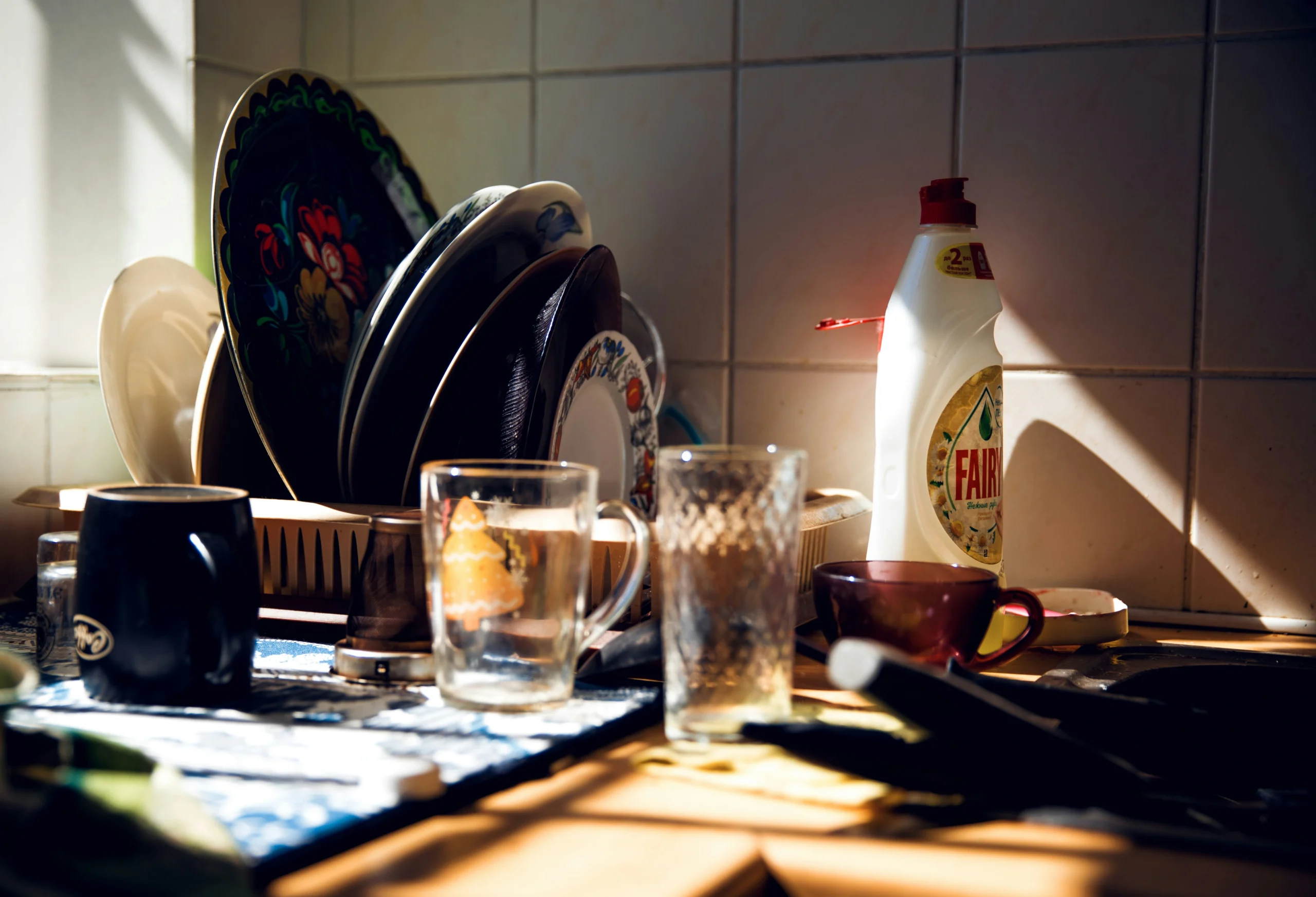
The kitchen is undeniably the heart of the home. It’s where meals are created, conversations happen over coffee, and homework gets done at the island. Unfortunately, because it sees so much traffic and activity, it is also usually the messiest room in the house. There is nothing quite as demoralizing as waking up in the morning, ready to start your day, only to be greeted by a sink full of dirty dishes from the night before, crusty countertops, and a mysterious sticky spot on the floor.
The cycle of letting the kitchen get disastrously messy and then spending hours “rage-cleaning” it on the weekend is exhausting and unsustainable. The secret to a perpetually tidy kitchen isn’t spending hours scrubbing; it’s about small, consistent actions taken every single day. It’s about maintenance rather than recovery.
By adopting a manageable routine, you prevent the grime from building up in the first place. This guide provides a comprehensive, yet surprisingly quick, daily kitchen cleaning checklist designed to keep your space functional, hygienic, and inviting with minimal stress.
The Clean As You Cook Philosophy (Tasks 1-4)

The easiest messes to clean are the ones that never get the chance to settle. The first phase of maintaining a spotless kitchen begins before and during the cooking process. If you wait until the meal is over to start cleaning, the mountain of work will always feel insurmountable.
1. Empty the Dishwasher/Drying Rack First Before you chop a single vegetable, ensure your dishwasher or drying rack is empty. A major barrier to a clean kitchen is having nowhere to put dirty things. If the dishwasher is full of clean dishes, dirty ones will inevitably pile up in the sink. Starting with an empty slate means dirty items can go straight into the machine as you use them.
2. Utilize a “Garbage Bowl” Instead of making twenty trips to the trash can across the kitchen while chopping veggies, keep a small bowl on the counter for scraps, peelings, and wrappers. Dump it once when you’re finished prep work. It saves time and keeps the floor cleaner.
3. Wipe Spills Immediately If tomato sauce splatters onto the stovetop or marinade drips onto the counter, wipe it up the second it happens (safely, of course). Fresh spills take a damp cloth to remove; dried, cooked-on spills require elbow grease and harsh chemicals later.
4. Wash Tools Between Steps Used a measuring cup for dry ingredients? Rinse and dry it immediately. Finished with the cutting board? Get it washed right away. By washing these singular items as you go, you drastically reduce the post-dinner cleanup load.
The Post-Meal Immediate Attack (Tasks 5-8)

Dinner is over, and the temptation to retreat to the couch is strong. However, this is the most critical window for kitchen maintenance. Leaving messes to sit overnight allows food to harden like cement and invites pests. Push through for just 15 minutes to tackle the immediate aftermath.
5. Clear the Table Completely Remove everything from the dining area. Placemats should be shaken out or wiped, condiment bottles returned to the fridge, and leftover food put into storage containers immediately. Don’t let “just one hot sauce bottle” linger; it attracts clutter.
6. Scrape and Rinse Plates Don’t just throw plates with half-eaten food into the sink. Scrape scraps into the trash or compost, and give the plate a quick rinse to remove the bulk of sauce or gravy. This makes the dishwasher’s job easier and prevents the sink drain from clogging.
7. Load the Dishwasher Immediately Do not “stage” dirty dishes in the sink. If you have followed the rule of emptying it before cooking, the dishwasher should be ready to receive the dinner load. Putting items directly into the racks keeps the sink clear for actual washing.
8. Hand Wash the Big Stuff Pots, pans, and large serving platters that don’t fit in the dishwasher should be washed now. Don’t “let them soak” overnight unless absolutely necessary. Getting these bulky items cleaned and drying on the rack makes the kitchen look instantly 80% cleaner. Sticking to this part of your daily kitchen cleaning checklist is often the hardest hurdle, but it yields the biggest visual reward.
Surface Sanitation and Sink Care (Tasks 9-12)
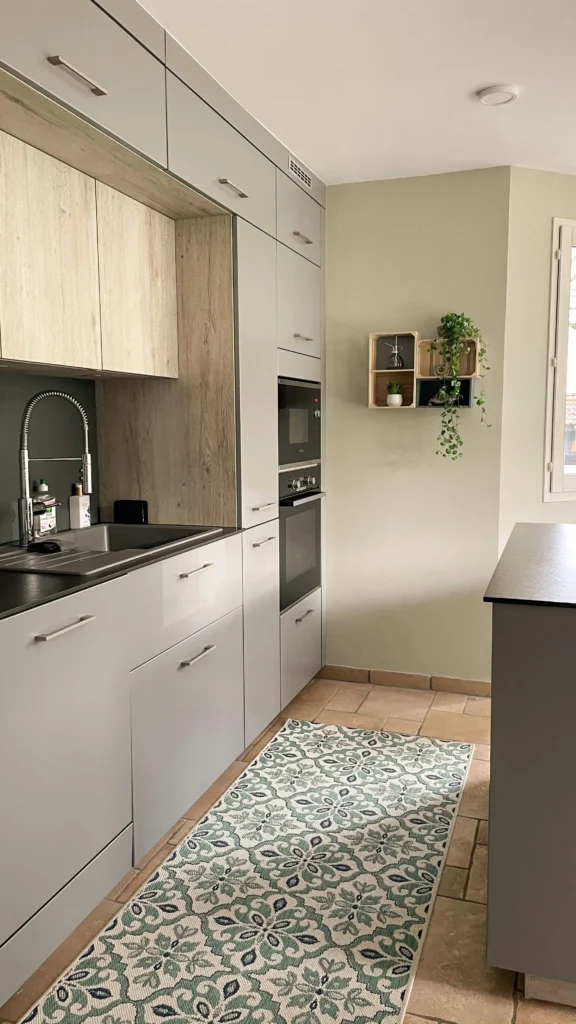
Once the dishes are managed, it’s time to focus on the surfaces. A kitchen can look tidy but still be covered in invisible bacteria from raw meat or general use. This phase ensures the kitchen is sanitary, not just organized.
9. Spray and Wipe All Counters and Stovetop Clear the counters of appliances (toasters, coffee makers) and spray the entire surface with an appropriate multi-purpose cleaner or disinfectant. Wipe thoroughly, paying attention to corners and the backsplashes behind the sink and stove where grease accumulates.
10. Spot Clean High-Touch Areas We often forget the areas we touch with dirty hands while cooking. Give a quick wipe to the refrigerator handle, the microwave keypad, the oven door handle, and light switches.
11. Scrub the Sink Basin The kitchen sink is often dirtier than a toilet seat. It’s a catch-all for raw food bacteria and dirty water. Once the dishes are done, sprinkle some baking soda or a mild abrasive cleaner into the basin and give it a good scrub with a dedicated sink sponge or brush.
12. Shine the Faucet and Hardware Water spots on a faucet can make a clean sink look dingy. Take a dry microfiber cloth and quickly buff the faucet, handles, and sprayer until they shine. It takes ten seconds but adds a professional “finish” to your cleaning job.
The Final Polish and Tomorrow’s Reset (Tasks 13-15)
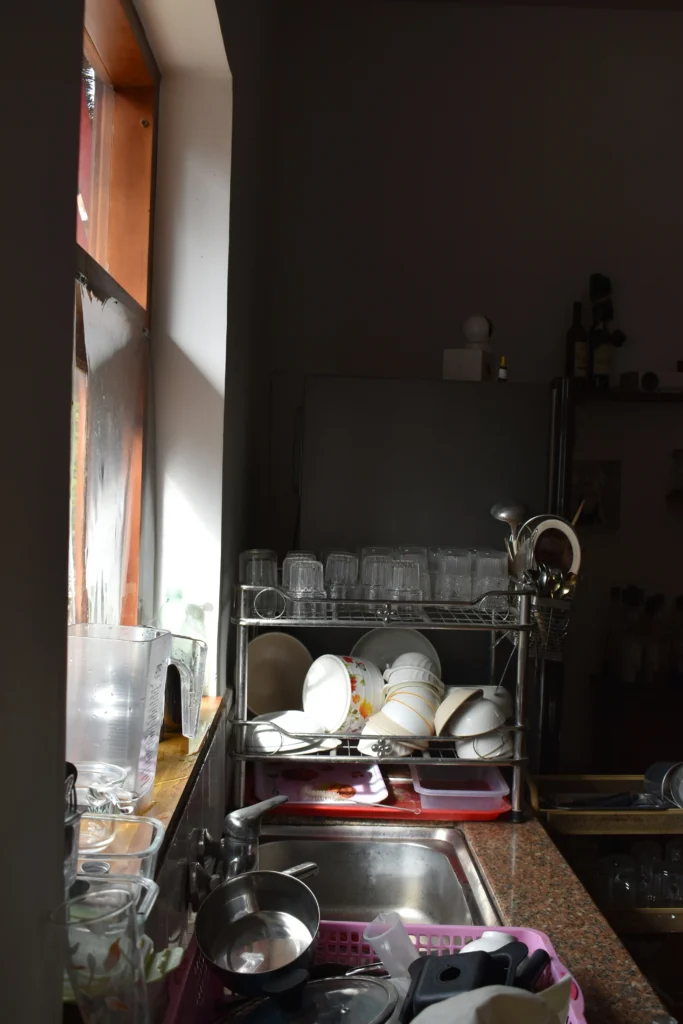
The final tasks are about setting your future self up for a peaceful morning. These finishing touches ensure you don’t wake up to bad smells or crumbs underfoot.
13. Manage the Trash and Recycling If the trash bin is nearing capacity or contains anything smelly (like meat wrappings or fish scraps), take it out. Don’t let odors marinate overnight. If it’s not full, at least ensure the lid is closed tightly.
14. The Quick Floor Sweep You don’t need to break out the mop every night, but a kitchen floor sees a lot of dropped crumbs, vegetable peelings, and pet hair in a day. Do a quick scan and spot-sweep or vacuum the high-traffic areas to prevent tracking debris through the house.
15. Put Out a Fresh Towel Take the damp, dirty dish towel you used during cleanup and throw it in the laundry. Hang a fresh, dry towel for the morning. It’s a small gesture that signifies the end of the cleaning cycle and a fresh start for the next day. Completing this final tier of your daily kitchen cleaning checklist ensures the kitchen is truly “closed” for the night.
Conclusion
Looking at a list of fifteen tasks might feel overwhelming initially, but in practice, many of these items take less than thirty seconds to complete. The goal isn’t sterile perfection every single night; the goal is functional cleanliness and preventing the overwhelming buildup of grime.
By integrating these steps into your evening routine, they quickly become habit rather than chores. The mental clarity gained from walking into a sparkling kitchen each morning is worth the fifteen to twenty minutes of effort the night before. Commit to this daily kitchen cleaning checklist, and you’ll find that the heart of your home remains a welcoming space for everyone.