
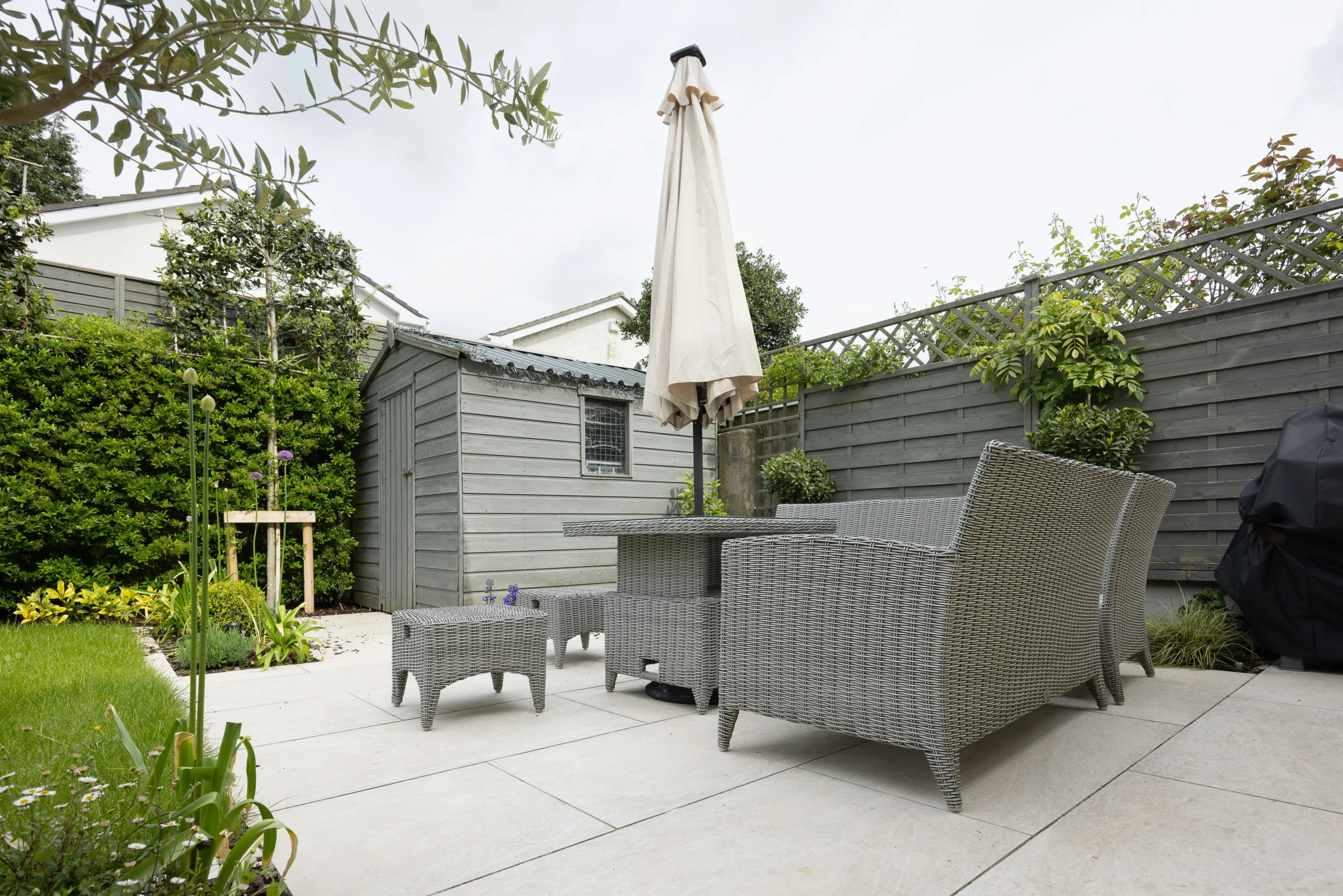
Wicker furniture is a timeless addition to any outdoor living space, offering a blend of organic texture and sophisticated comfort. However, the very thing that makes wicker so beautiful—its intricate weave—also makes it a magnet for dust, pollen, and environmental debris. Many homeowners avoid wicker because they believe it is difficult to maintain, but with the right approach, you can keep your set looking brand new for years. In this guide, we will explore how to clean wicker patio furniture easily, ensuring your outdoor oasis remains a pristine retreat without requiring hours of back-breaking labor.
Understanding Your Wicker: Resin vs. Natural
Before you grab a bucket of water, it is crucial to identify what type of wicker you own, as the cleaning methods differ significantly.
All-Weather Resin Wicker
Most modern patio furniture is made from synthetic resin (often high-density polyethylene or HDPE). This material is designed to withstand the elements, including UV rays and moisture. It is highly durable and can handle a more robust cleaning process.
Natural Wicker
Natural wicker is made from organic materials like rattan, willow, or sea grass. While beautiful, it is much more sensitive to moisture. Excessive water can cause natural fibers to swell, warp, or develop mold. If you have natural wicker, a “less is more” approach to liquid is essential.
The Essential Cleaning Toolkit
To clean wicker patio furniture easily, gather these supplies first:
- A vacuum with a brush attachment
- A soft-bristle scrub brush (or an old toothbrush for tight spots)
- Mild dish soap (avoid harsh detergents or bleach unless necessary)
- Two buckets of warm water
- Microfiber cloths
- A garden hose with a spray nozzle (for synthetic wicker only)
Step-by-Step Guide to Cleaning Wicker Easily
Step 1: Dry Dusting and Vacuuming
The secret to an easy clean is removing as much loose dirt as possible before adding water. Use a vacuum with a soft brush attachment to go over the entire piece. Focus on the crevices where the weave overlaps, as this is where spiders and dust settle. If you don’t have a vacuum, a dry paintbrush works wonders for flicking out debris.
Step 2: Preparing Your Cleaning Solution
Mix about two tablespoons of mild dish soap into a gallon of warm water. You want a sudsy mixture that isn’t overly concentrated. For natural wicker, you should only use the suds (the foam on top) rather than soaking the cloth in the water itself.
Step 3: The Gentle Scrub Technique
Dip your soft-bristle brush into the soapy water and gently scrub the surface. For resin wicker, you can be a bit more vigorous. For natural wicker, use only the foam and a damp (not dripping) cloth. Work in small sections, moving from the top of the furniture down to the bottom. This prevents dirty water from dripping onto areas you have already cleaned.
Step 4: Rinsing and Drying
For synthetic resin wicker, you can use a garden hose on a low-pressure setting to rinse away the soap. Avoid high-pressure power washers, as they can strip the finish or damage the weave. For natural wicker, wipe the piece down with a fresh cloth dampened with plain water.
Important: Always let wicker dry completely before sitting on it. Natural wicker can lose its shape if weight is applied while the fibers are damp. If possible, dry the furniture in a shaded, breezy area rather than direct, scorching sunlight to prevent cracking.
How to Handle Stubborn Stains and Mildew
If you spot green or black spots, you are likely dealing with mildew. For resin wicker, a solution of one part white vinegar to three parts water is an effective, eco-friendly killer of mold spores. If the stain persists on synthetic sets, a very diluted bleach solution can be used, but always test a small, inconspicuous area first to ensure the color doesn’t fade.
For natural wicker, avoid bleach. Instead, use a cloth dampened with a vinegar-water solution and dry the area immediately with a hairdryer on a cool setting to prevent moisture from sinking into the core of the fibers.
Pro Tips for Long-Term Maintenance
- Use Furniture Covers: The easiest way to clean wicker is to prevent it from getting dirty. Invest in high-quality, breathable covers for the off-season or during heavy pollen weeks.
- Apply Outdoor Furniture Wax: For resin wicker, a light coat of automotive wax once a year can help the plastic stay supple and make it easier for dust to slide off.
- Trim Loose Ends: If you notice a piece of the weave poking out, don’t pull it. Carefully tuck it back in or use a tiny dab of outdoor-grade wood glue to secure it.
Conclusion
Cleaning wicker patio furniture easily is all about consistency and using the right tools for your specific material. By performing a quick dry-dusting once a month and a deeper soapy wash twice a year, you can maintain the structural integrity and aesthetic appeal of your set. Ready to revitalize your outdoor space? Start by clearing off those cushions and giving your wicker the refresh it deserves today!