
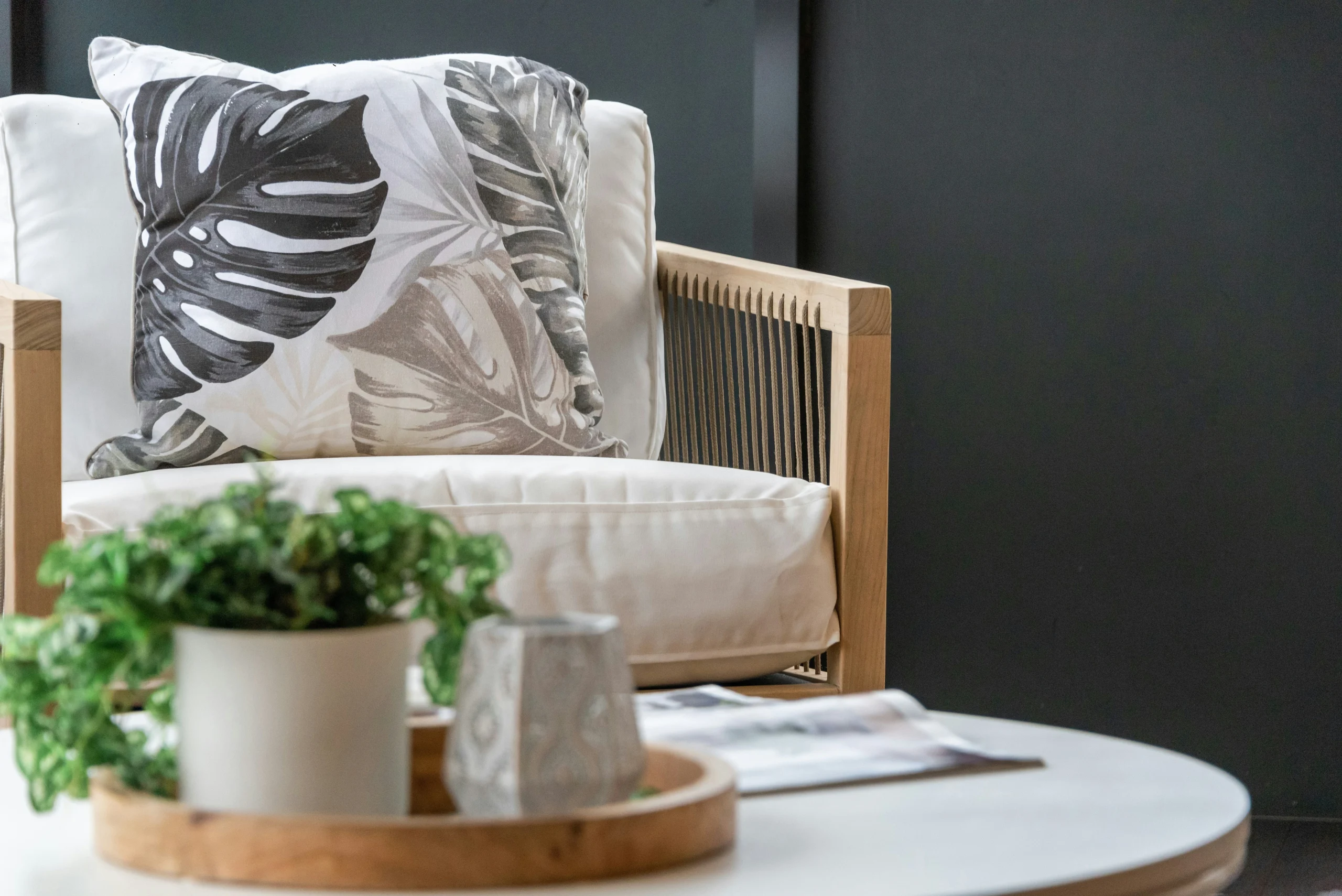
As the weather warms up and you prepare your outdoor living space for a season of lounging and entertaining, you might notice your patio furniture looking a little worse for wear. Dirt, pollen, bird droppings, and accidental spills can take a significant toll on outdoor fabrics. Discovering the best way to clean outdoor patio cushions is essential not only for restoring the aesthetic appeal of your backyard oasis but also for extending the lifespan of your investment. In this comprehensive guide, we will walk you through the most effective, expert-approved methods for cleaning and maintaining your outdoor cushions.
Why Regular Cleaning is Essential for Patio Cushions
Outdoor cushions are designed to withstand the elements, but they are not invincible. Over time, debris and moisture can accumulate within the fabric fibers. If left untreated, this buildup can lead to stubborn stains, unpleasant odors, and the growth of mold and mildew. Regular maintenance prevents premature fabric degradation, keeping your cushions vibrant, comfortable, and hygienic year-round.
Preparation: What You Need Before You Start
Before diving into the cleaning process, gathering the right supplies will make the job significantly easier and more effective. Using harsh chemicals or abrasive tools can damage weather-resistant coatings, so it is crucial to use gentle yet effective products.
Essential Cleaning Supplies
- A vacuum cleaner with an upholstery brush attachment
- A soft-bristle scrubbing brush
- Mild dish soap (grease-fighting formulas work best)
- Borax or white vinegar (for mold and mildew treatment)
- A bucket of warm water
- A garden hose with a standard spray nozzle
- Fabric protector spray (optional but highly recommended)
The Best Way to Clean Outdoor Patio Cushions: Step-by-Step
Follow this expert-approved, step-by-step process to deep clean your cushions without damaging the fabric or the inner foam.
Step 1: Vacuum Away Loose Debris
Start by thoroughly vacuuming each cushion. Use the upholstery attachment to remove loose dirt, dust, pollen, and pet hair. Pay special attention to the seams, tufts, and crevices where debris tends to hide. Removing this dry dirt prevents it from turning into a muddy mess once you apply water.
Step 2: Spot-Treat Stubborn Stains
Inspect the cushions for localized stains such as tree sap, bird droppings, or food spills. Apply a small amount of mild dish soap directly to the stain and gently agitate it with your soft-bristle brush. Let it sit for 10 to 15 minutes to break down the grime before moving on to the full wash.
Step 3: Mix Your Cleaning Solution
In your bucket, mix one-quarter cup of mild dish soap with a gallon of warm water. If your cushions have a funky smell or minor mildew spots, add a quarter cup of Borax to the mixture. Agitate the water until it forms a soapy lather.
Step 4: Scrub Gently but Effectively
Dip your soft-bristle brush into the soapy solution and apply it to the cushion. Scrub the fabric using circular motions. Work in sections, ensuring the entire surface is covered. Avoid pressing too hard, as aggressive scrubbing can fray the fabric or strip away its water-resistant finish.
Step 5: Rinse Thoroughly
Once you have scrubbed the entire cushion, use your garden hose to rinse away the soap. Use a gentle spray setting; never use a pressure washer, as the intense force can tear the fabric and force water deep into the foam core, which takes much longer to dry and can encourage internal mold growth. Rinse until the water runs completely clear and no suds remain.
Step 6: Air Dry Completely
Proper drying is arguably the most critical step. Stand the cushions on their edges in a sunny, well-ventilated area. This allows water to drain out of the zipper or seams more effectively. Flip them every few hours to ensure even drying. Never put patio cushions in a mechanical dryer, as the heat can shrink the fabric and melt the synthetic foam.
How to Tackle Mold and Mildew
If your cushions have been left out in the rain, you might discover black or green mildew spots. The best way to clean outdoor patio cushions with mold is to use a targeted solution. Mix one cup of white vinegar with one cup of water in a spray bottle. Spray the affected areas generously and let it sit for 30 minutes. Scrub with your brush, then rinse. For colorfast fabrics like Sunbrella, you can use a heavily diluted bleach solution (1/4 cup bleach to 1 gallon of water), but always test an inconspicuous area first.
Machine Washing vs. Hand Washing: Which is Better?
Many patio cushions come with removable covers. While it might be tempting to toss them in the washing machine, hand washing is generally the safer route. Machine washing can degrade the UV and water-resistant coatings on the fabric and cause shrinkage, making it nearly impossible to put the foam back in. If the care tag explicitly states machine washing is safe, use a gentle cycle with cold water and always air dry.
Pro Tips for Maintaining Your Cushions Year-Round
Cleaning your cushions is only half the battle; maintaining them will save you time in the long run.
- Use a Fabric Protector: Once your cushions are completely dry, apply an outdoor fabric protector spray to restore their water and stain repellency.
- Brush Off Debris Regularly: Make it a habit to brush off leaves and dirt weekly.
- Store During Inclement Weather: Invest in a waterproof deck box or furniture covers to protect your cushions during heavy rain or winter months.
Conclusion
Maintaining the beauty and comfort of your outdoor living space does not have to be a daunting chore. By following the best way to clean outdoor patio cushions—vacuuming, gentle scrubbing with mild soap, and ensuring a thorough air dry—you can keep your furniture looking brand new season after season. Ready to upgrade your patio setup? Take action today by gathering your supplies, giving your cushions a deep clean, and enjoying a pristine outdoor oasis all summer long!