
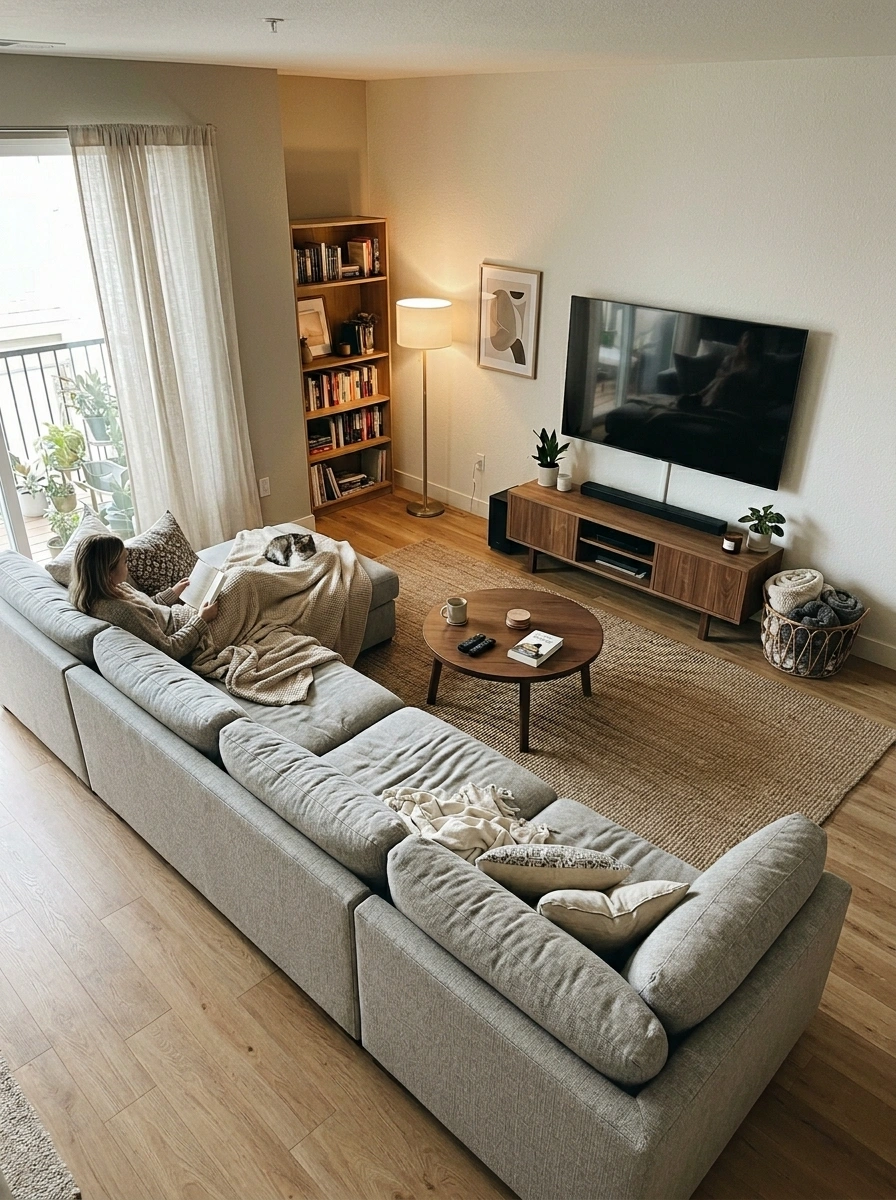
Let’s be real, figuring out where to put a massive couch in a modern living room design can feel like playing a high-stakes game of Tetris. But getting your TV room arrangement right changes everything about how you relax at the end of a long day. If you’ve been staring at your floor plan scratching your head, don’t worry. I’ve put together a visual guide featuring exactly 14 Modern TV Room Layout with Sectional Sofa to spark some serious inspiration. Whether you are dealing with a tight apartment or a massive open concept living room, there is plenty of ways to make it work. Let’s dive into how to balance comfort, traffic flow, and style without overthinking it.
1. The Classic Corner Hug
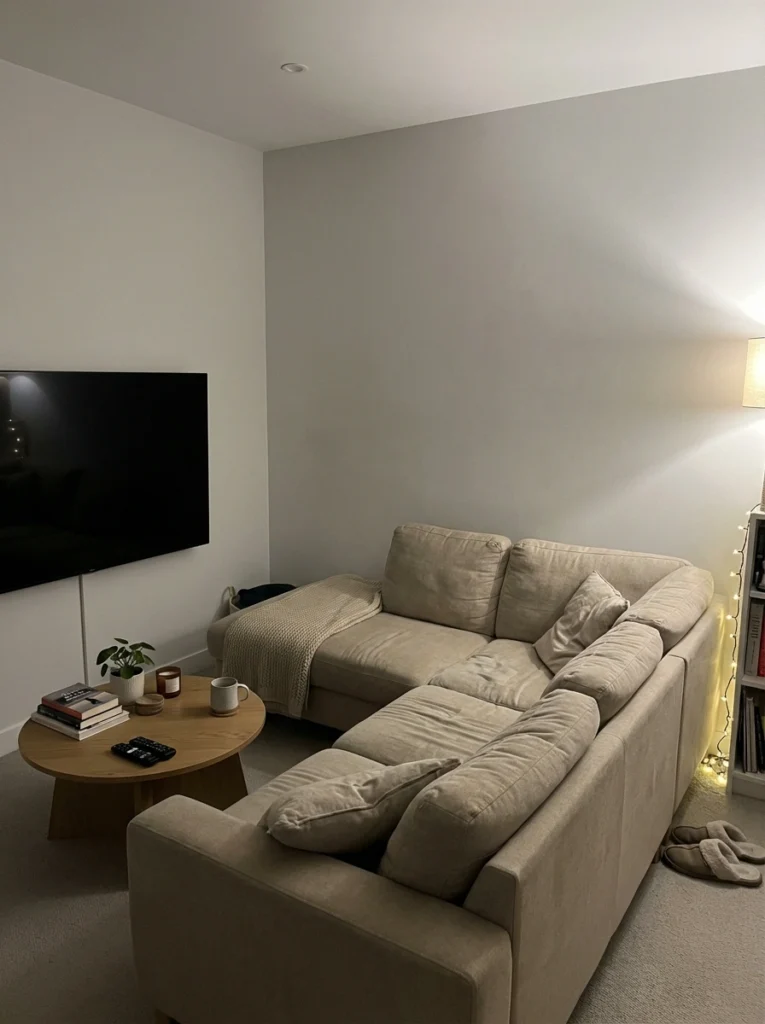
The Layout: This is your bread and butter. The L-shaped sofa is pushed snugly into the back corner of the room, facing the TV on the opposite diagonal wall. It leaves a wide-open pathway cutting straight across the room.
Practical Tips: Don’t jam the sofa completely against the baseboards—leave an inch or two of breathing room. Your area rug needs to anchor at least the front legs of both sectional sections. Keep lighting soft with a couple of wall sconces near the TV to reduce glare on the screen.
Why it works: It maximizes central floor space. This is the absolute best setup for small, enclosed, or boxy rooms where you need maximum seating without blocking the doorway.
2. The Open-Plan Divider
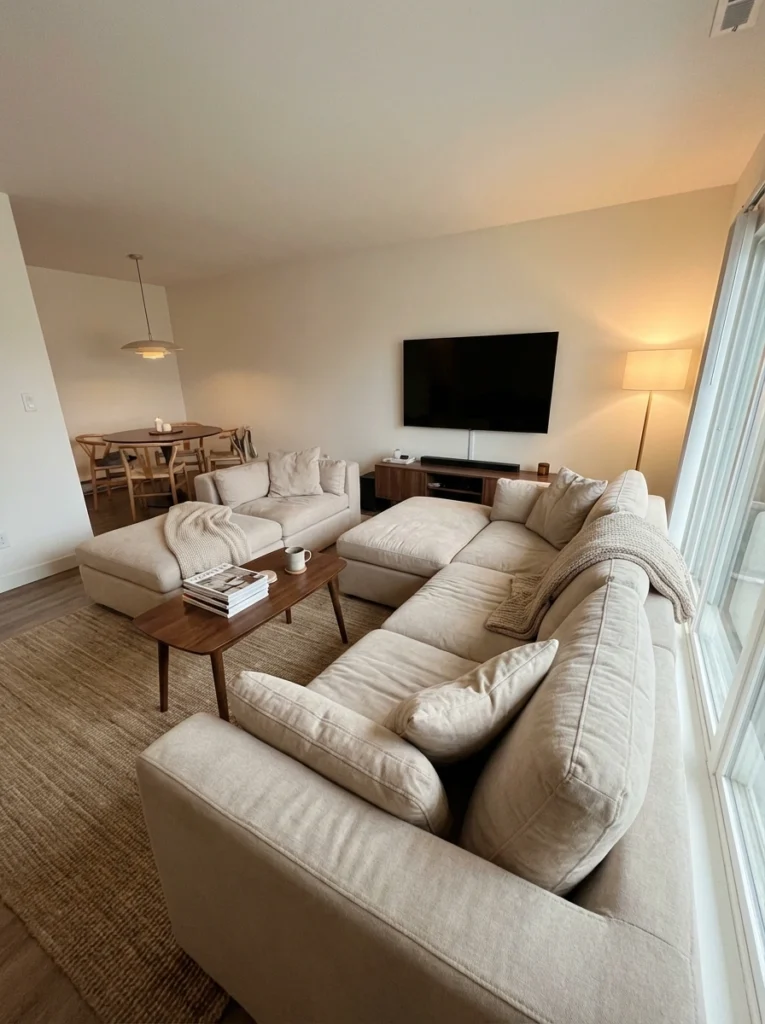
The Layout: Instead of hugging a wall, the long back of the sectional floats right in the middle of the room. It acts as a physical barrier between your cozy seating area and the kitchen or dining space behind it.
Practical Tips: You need a minimum of 36 inches of walking space behind the floating back for traffic flow. Stick a slim, low-profile console table against the back of the sofa to hold lamps, drinks, or plants so it doesn’t just look like a giant fabric wall from the kitchen.
Why it works: It instantly defines zones in an open concept living room. You get a dedicated TV space without needing to build any drywall.
3. The U-Shape Cinema
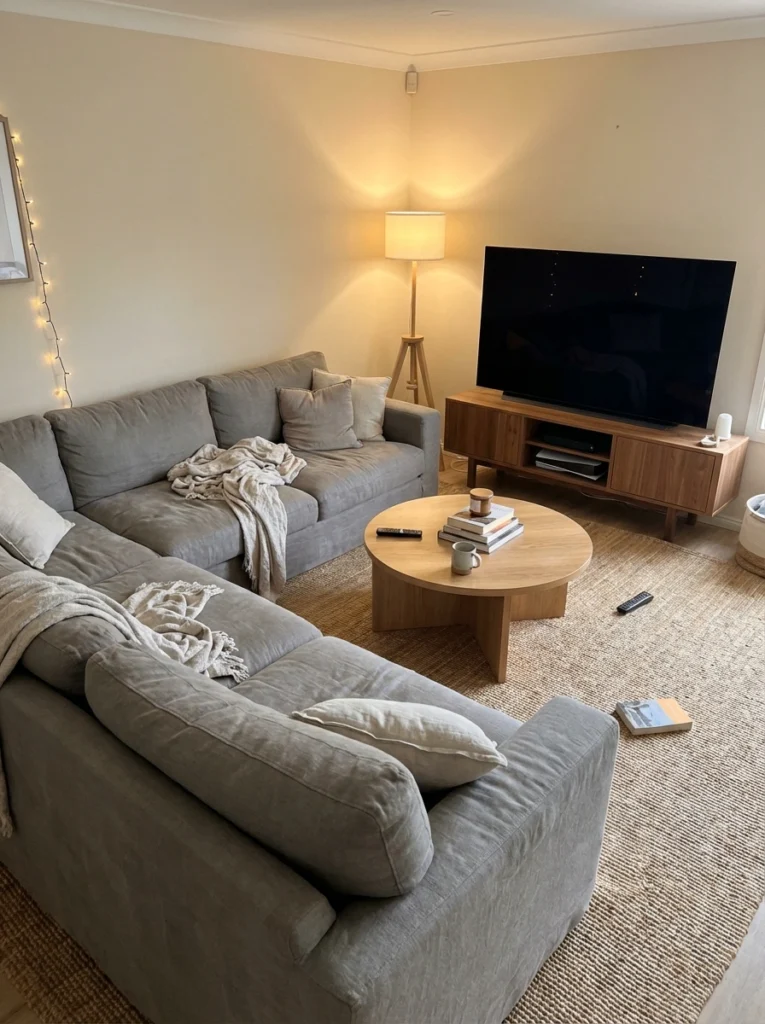
The Layout: A massive U-shaped sectional sits directly centered in front of the TV screen. Traffic doesn’t cross between the sofa and the TV; instead, it flows around the outside edges of the furniture.
Practical Tips: Go for a large, round coffee table to avoid people bumping their shins on sharp corners when shuffling to the middle seats. Use smart bulbs in floor lamps around the perimeter to dim the lights right from the couch.
Why it works: Me and my family loves a setup like this for movie marathons. It’s the ultimate lounge configuration, best suited for dedicated, square-shaped media rooms where the TV is the absolute star of the show.
4. The Off-Center Anchor
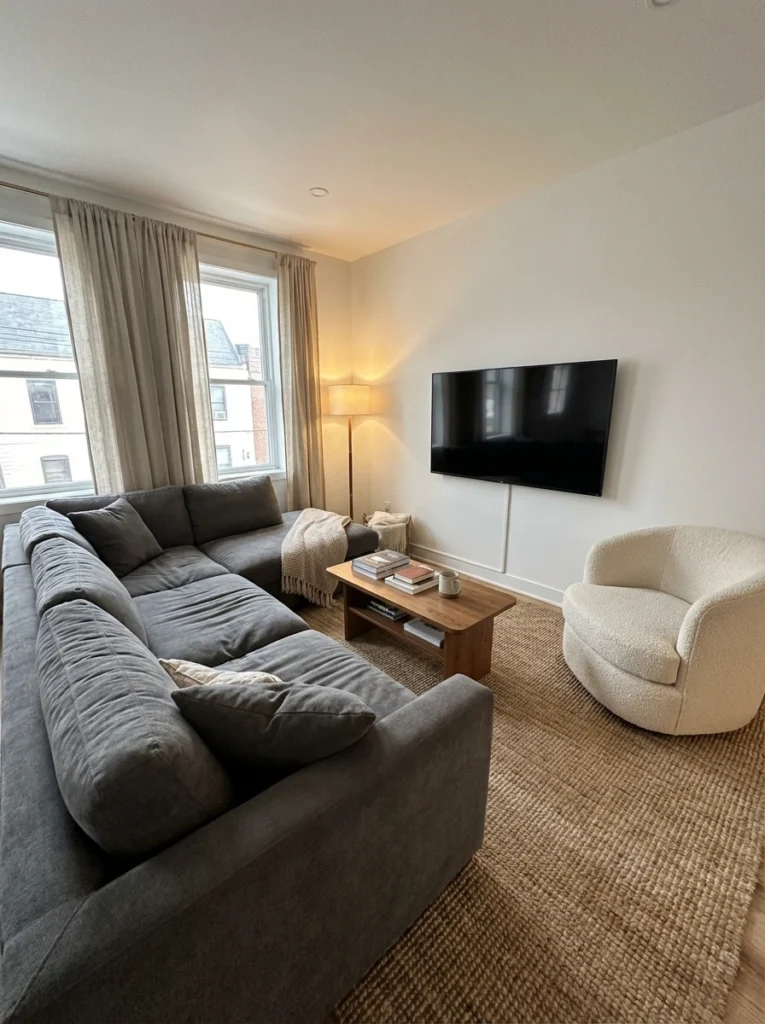
The Layout: The sectional is shifted slightly to the left or right of the TV rather than perfectly dead-center. The “empty” visual weight on the other side is balanced by a bold accent chair and a tall floor lamp.
Practical Tips: Since you aren’t perfectly centered, put your TV on an articulating wall mount so you can angle it toward the primary seats. Keep the coffee table centered to the sofa, not the room.
Why it works: It adds dynamic visual interest and solves headaches in rooms with off-center fireplaces, weird windows, or awkwardly placed doors.
5. The Narrow Alleyway
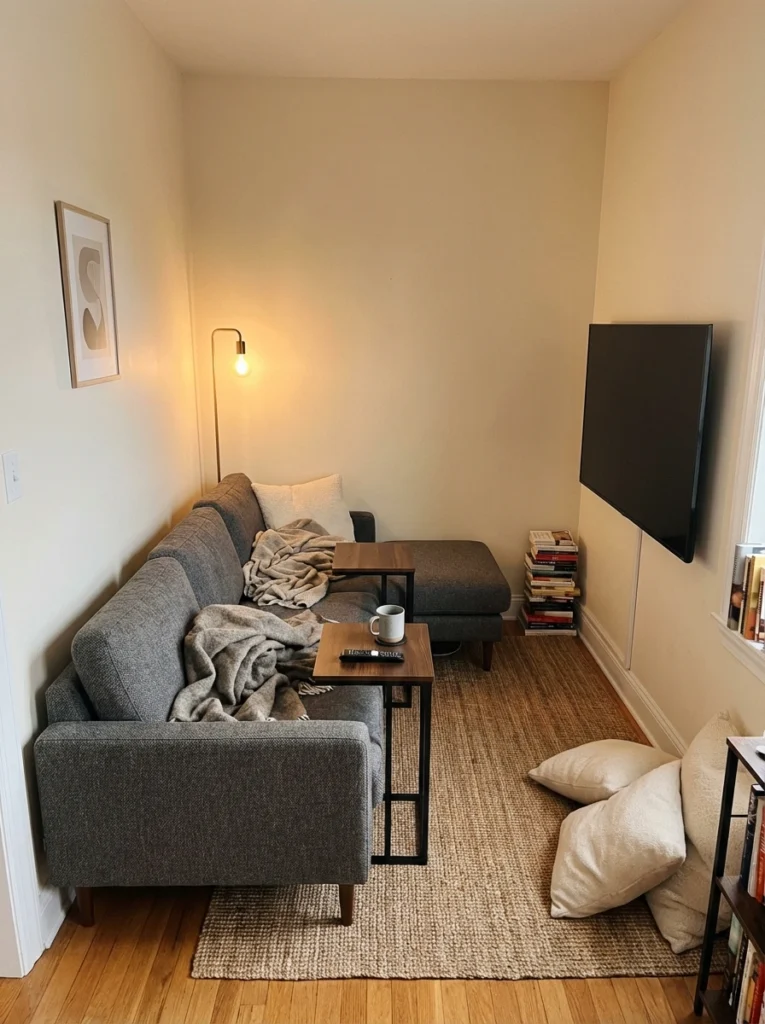
The Layout: A slim chaise-sectional runs parallel to the room’s longest wall. The TV sits on a highly narrowline media console completely flush against the opposite wall.
Practical Tips: Ditch the bulky coffee table entirely. Use C-tables that slide under the sofa frame to hold drinks, and rely on floating shelves around the TV for storage. Keep wall art minimal so the room doesn’t feel like a tunnel.
Why it works: This is a masterclass in space planning. It stops narrow or shotgun-style living rooms from feeling cramped while still offering plenty of stretching room.
6. The Dual-Focus Flex
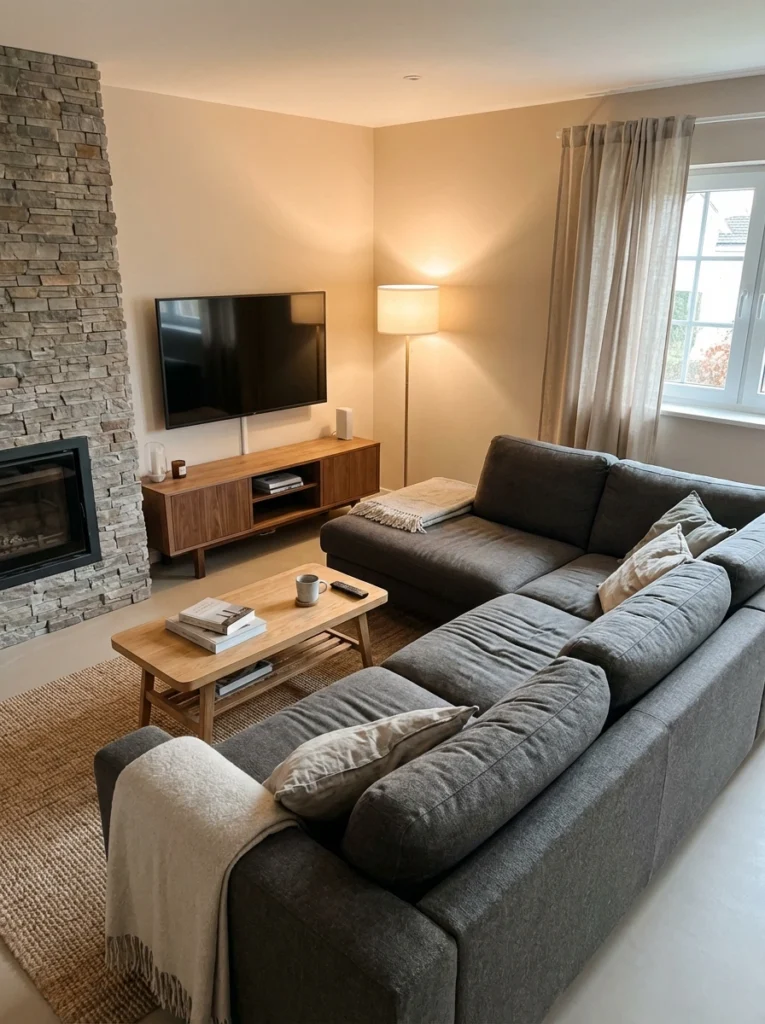
The Layout: An L-shaped sofa is angled to capture both a fireplace on one wall and a TV mounted on the adjacent wall.
Practical Tips: Please don’t mount the TV too high over a mantel if you can avoid it! Put it on a console to the side of the fireplace instead. The L-shape naturally allows half the guests to face the fire and the other half to face the screen.
Why it works: It solves the age-old “TV vs. Fireplace” layout battle. It’s perfect for traditional layouts that are trying to adapt to a modern lifestyle without causing everyone neck pain.
7. The Diagonal Drift
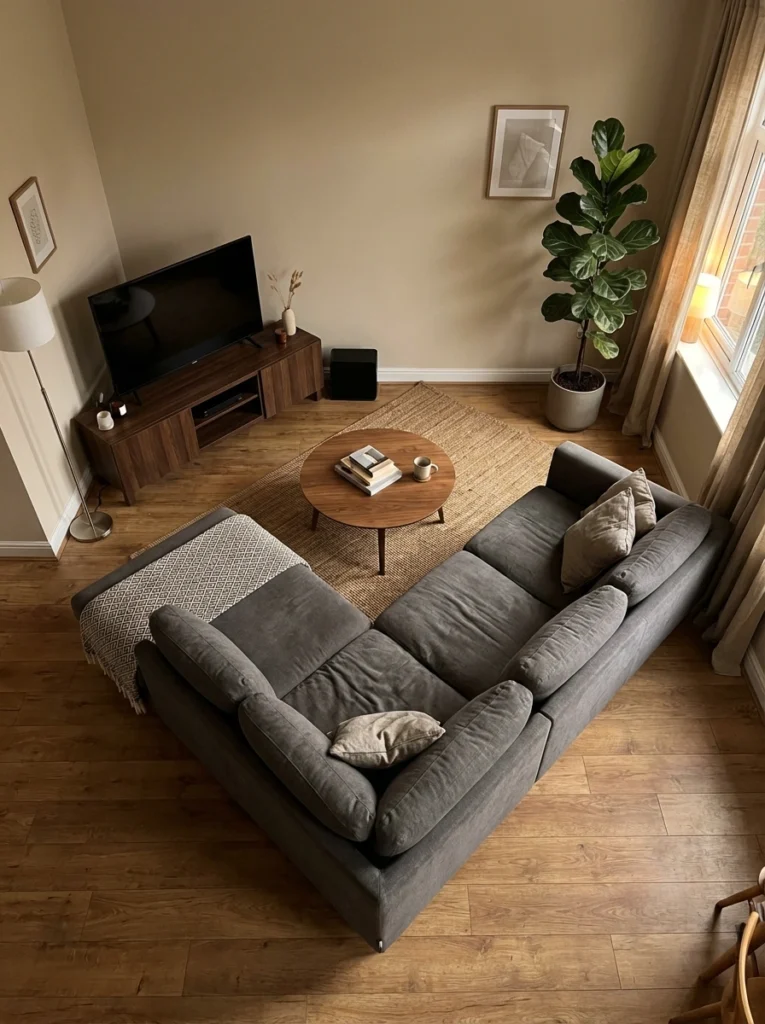
The Layout: The sectional is floated completely off the walls at a 45-degree angle, pointing directly into a corner where the TV is set up on an angled media unit.
Practical Tips: You have to use a large square or round rug underneath to ground this funky angle, otherwise, it looks like an accident. Fill the dead triangular space behind the sofa with a dramatic, tall indoor tree.
Why it works: Sometime you just gotta break the rules to make a room feel right. It completely breaks up boring, boxy architecture and breathes life into a rigid functional living space.
8. The Window Gazer
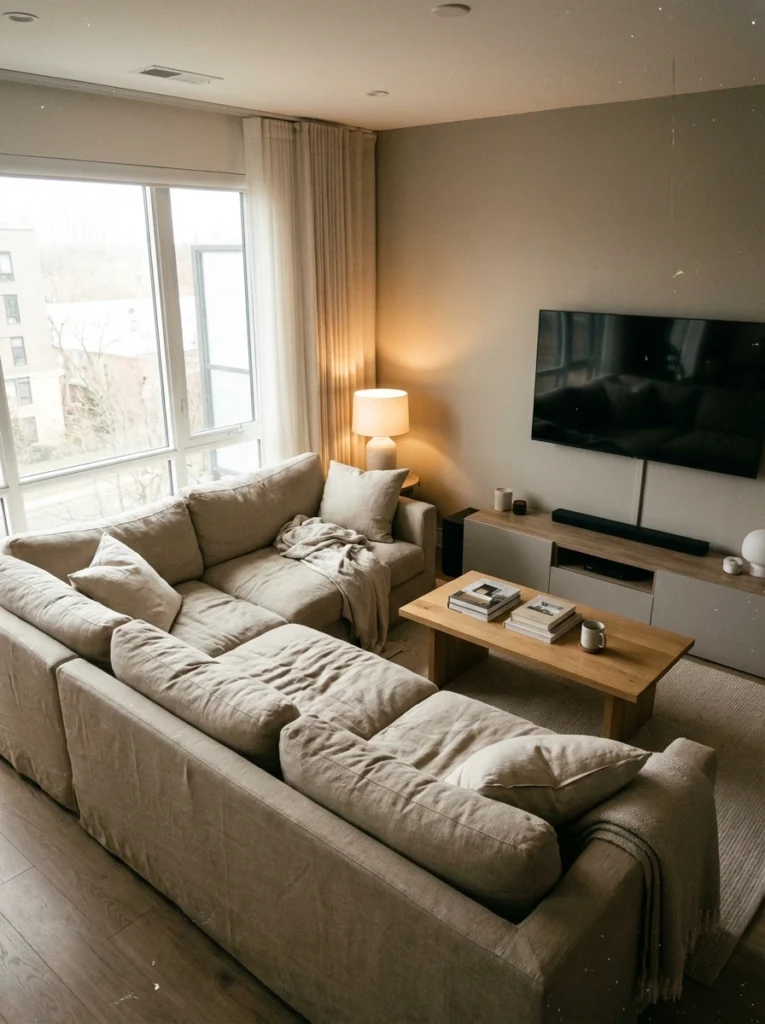
The Layout: The sectional sits perpendicular to a large window or sliding glass door. The TV is on the solid interior wall across from the sofa, avoiding the glare of direct sunlight.
Practical Tips: Leave at least a 12-inch gap between the sofa arm and the window glass for curtains to hang properly. Use sheer linen drapes to soften the daylight without completely blocking your view.
Why it works: It’s ideal for bright rooms where natural light is gorgeous but glare is the main enemy of your TV viewing experience. You get the view outside and the screen.
9. The Cozy Corner Pit
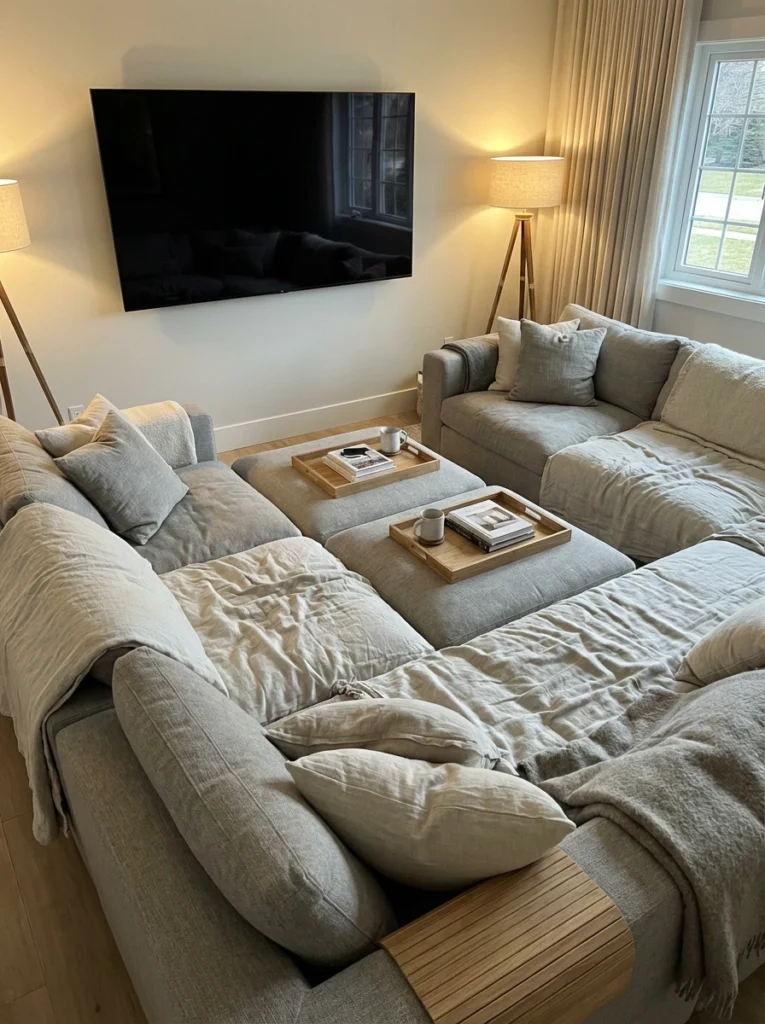
The Layout: A low, modular sectional is pushed into a corner, with two matching large ottomans shoved into the middle gap to create one giant, plush “bed” facing the screen.
Practical Tips: Forget traditional coffee tables—use heavy, sturdy wooden serving trays directly on top of the ottomans for drinks. Keep ambient lighting low, utilizing LED bias lighting behind the TV for a theater vibe.
Why it works: Unmatched comfort. This layout is purely for lounging, making it perfect for basements, playrooms, or dedicated media dens.
10. The Back-to-Dining Flow
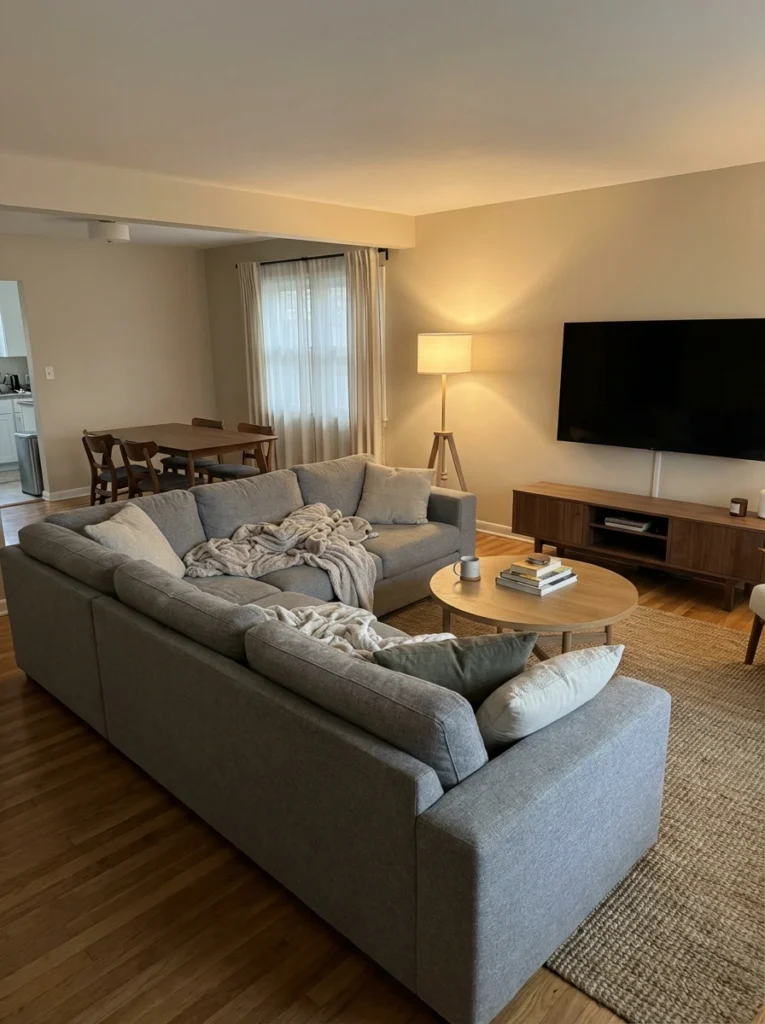
The Layout: The main back of the sectional directly faces the dining table in an open room. The TV is mounted on the far wall, parallel to both the sofa and the table.
Practical Tips: Try to match the height of your dining chairs to the back of the sofa. Keeping everything low-profile means the sightlines stay clear all the way across the room, making the space feel twice as large.
Why it works: Brilliant for long, rectangular open-plan spaces. You can watch the news from the dinner table, then seamlessly transition to the couch for the movie.
11. The Bumper Chaise Barrier
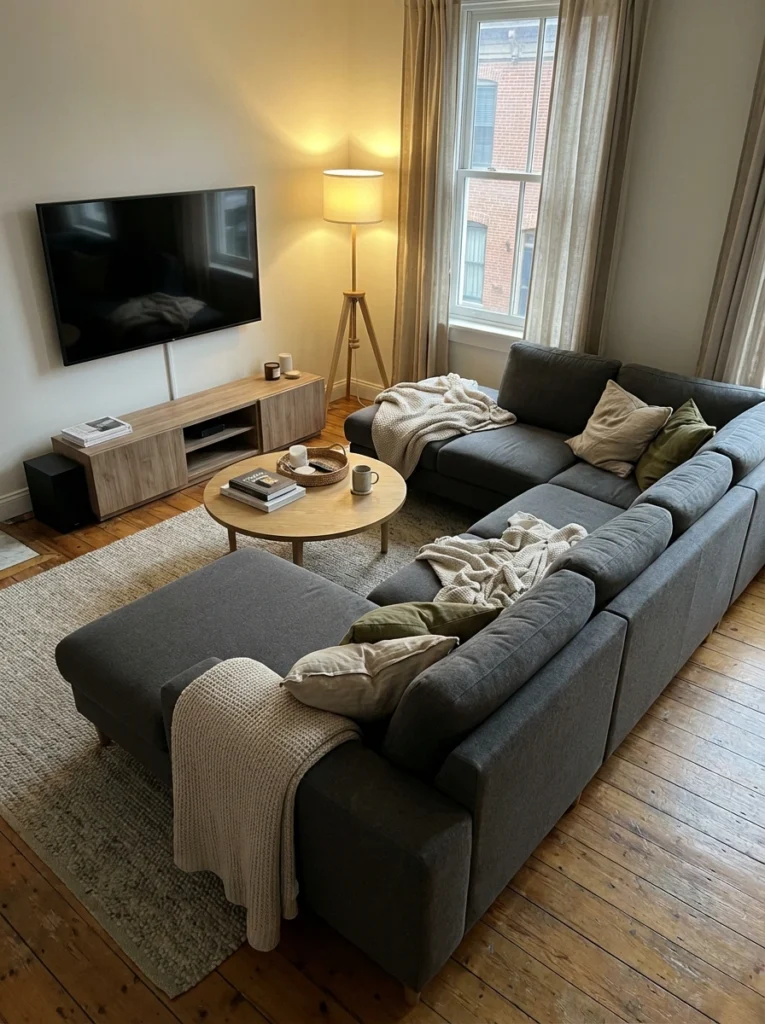
The Layout: A sectional featuring a “bumper” (a backless chaise) sits right near the entrance or walkway of the room. The backless side guides traffic naturally into the seating area without blocking the visual flow.
Practical Tips: Ensure the TV is perfectly aligned with the main, backed portion of the sofa. The bumper chaise is for stretching out, perching temporarily, or tossing a blanket—not for primary TV viewing.
Why it works: It keeps the room feeling incredibly open while still providing tons of seating. It’s a lifesaver for living rooms that are right off the front door.
12. The Asymmetrical Hangout
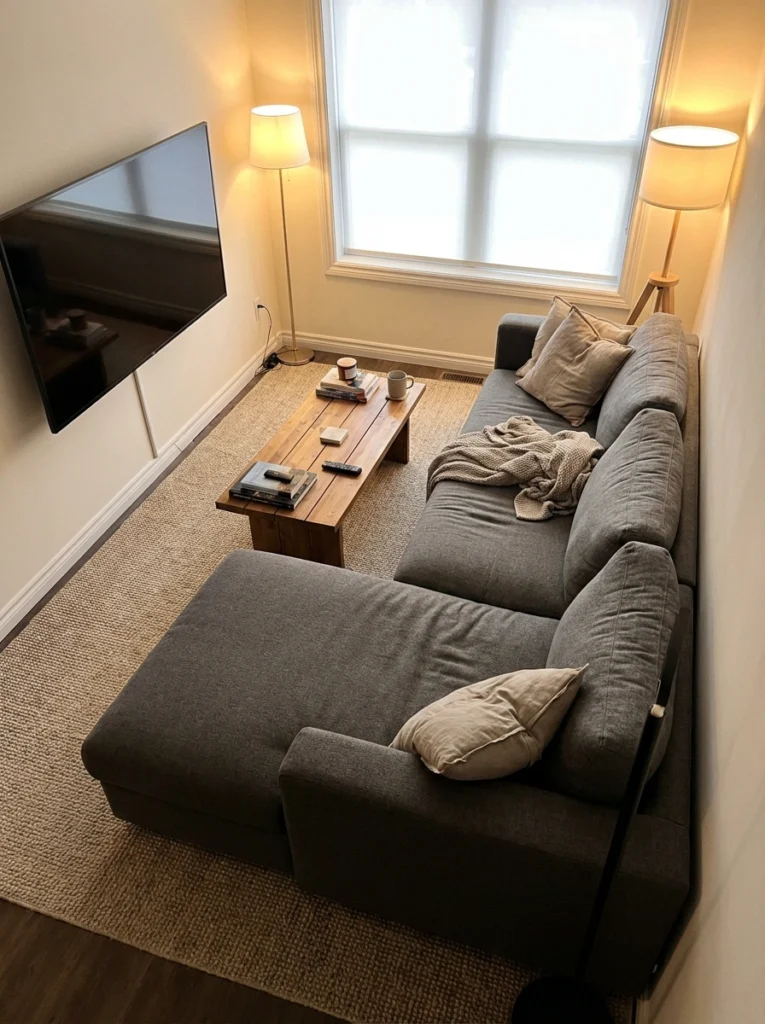
The Layout: One side of the sectional is vastly longer than the other (like a 4-seater side and a 2-seater side). The TV is anchored directly opposite the long side, leaving the short side as a secondary conversation or reading nook.
Practical Tips: Ground the long side with a heavy, rectangular coffee table. Balance the visual emptiness of the short side with an oversized floor lamp or a thick knit throw blanket.
Why it works: It fits awkward spaces where a perfectly symmetrical sofa would block a doorway or a radiator. It’s highly practical for everyday life.
13. The Media Wall Embrace
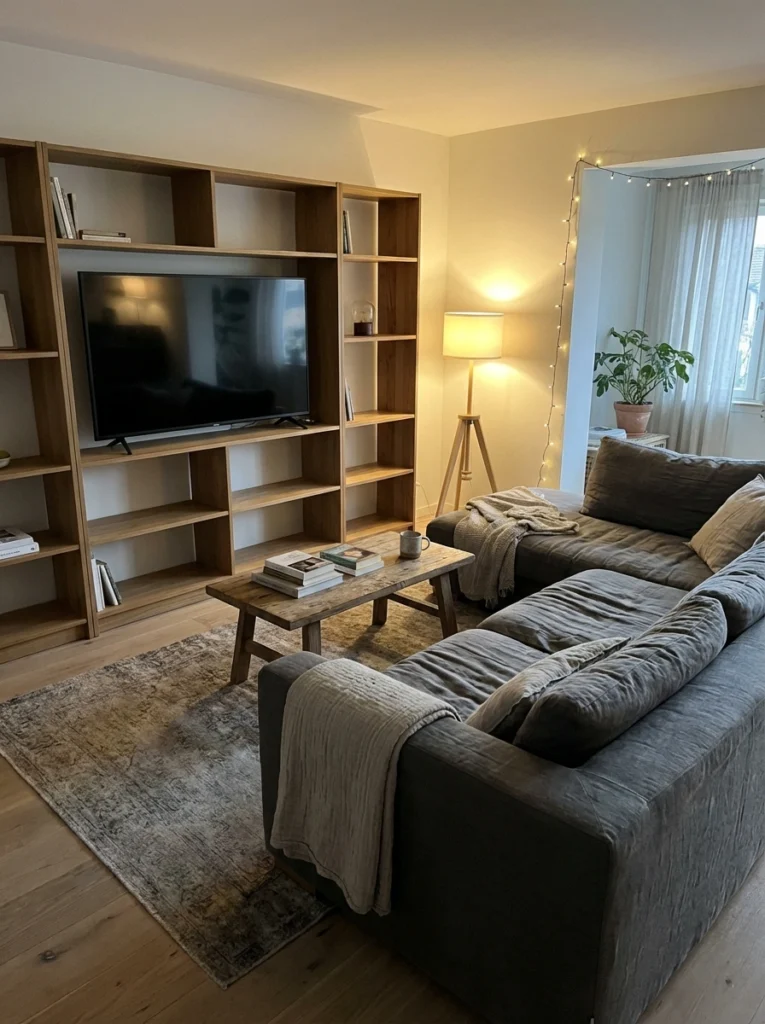
The Layout: A low-profile, deep-seated sectional is floated just a few feet away from a custom built-in media wall. It creates a tight, immersive “hug” around the screen.
Practical Tips: Keep the sofa back low so it doesn’t visually chop the room in half since it’s floating. Keep the clutter completely out of sight in the built-in cabinets to maintain a sleek vibe.
Why it works: Its definitely one of the best way to make a room look expensive. Elevating a basic sectional sofa layout into something that feels intentional, high-end, and custom-tailored for the space.
14. The Multipurpose Island
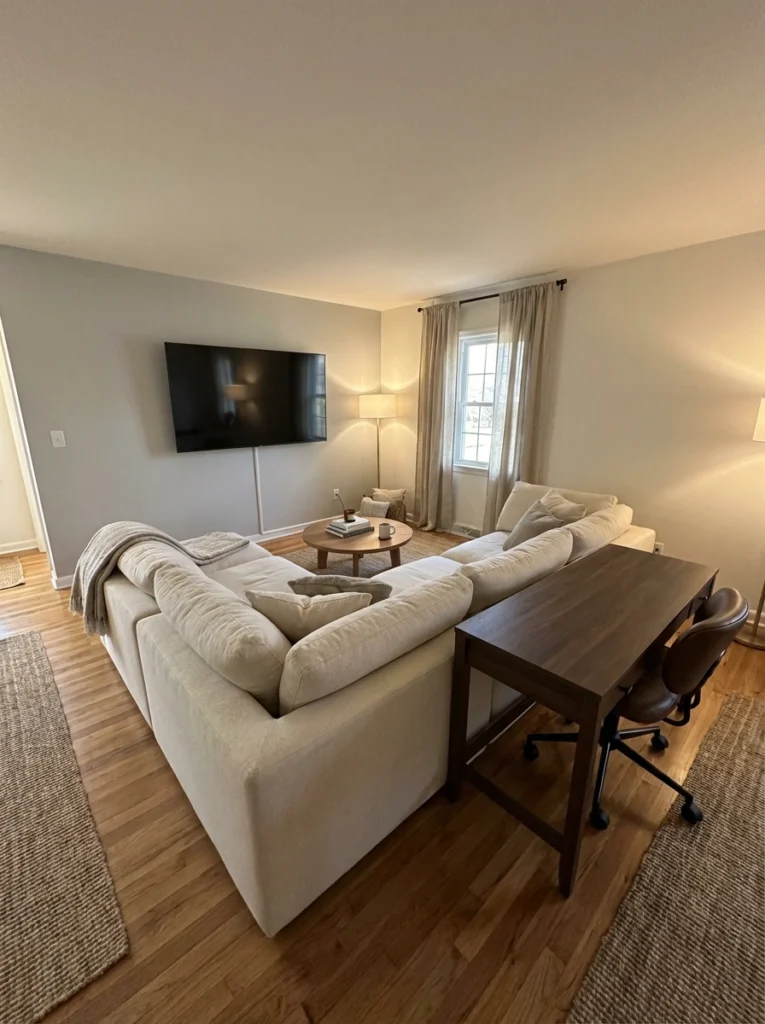
The Layout: A massive L-shaped sofa is floated dead center in a large room, acting as an island. A desk sits tucked behind one side, and a low bookshelf or console sits behind the other. The TV is straight ahead on the wall.
Practical Tips: You absolutely need an extra-large rug to tie this all together—all furniture legs should touch the rug. Cable management for both the TV and the desk is critical here so you don’t trip over wires.
Why it works: Perfect for loft apartments or massive great rooms where one single space needs to serve as a home office, a lounge, and a cinema simultaneously.
Final Thoughts
When you really think about it, a sectional doesn’t just fill a room; it actively dictates how you live inside it. These large pieces of furniture act like architectural borders without the need for drywall, carving out intimate retreats right in the middle of a chaotic house. By rethinking your L-shaped sofa ideas, you aren’t just rearranging cushions—you are engineering the flow of conversation, optimizing how you unwind, and creating invisible boundaries that define your downtime. A well-placed sectional anchors our modern lives, turning an empty box of a room into a genuine, living sanctuary. Let your seating tell you how the room wants to be used.